Upcoming : Halloween Terrarium Workshop Tuesday Oct. 13 @ 6 pm / Garden Stone Painting Night Tuesday Oct. 20 @ 6 pm / Dried Floral Book Workshop Thursday Oct 29 @ 6 pm / Moss Art Sunday Nov. 1 @ 2 pm
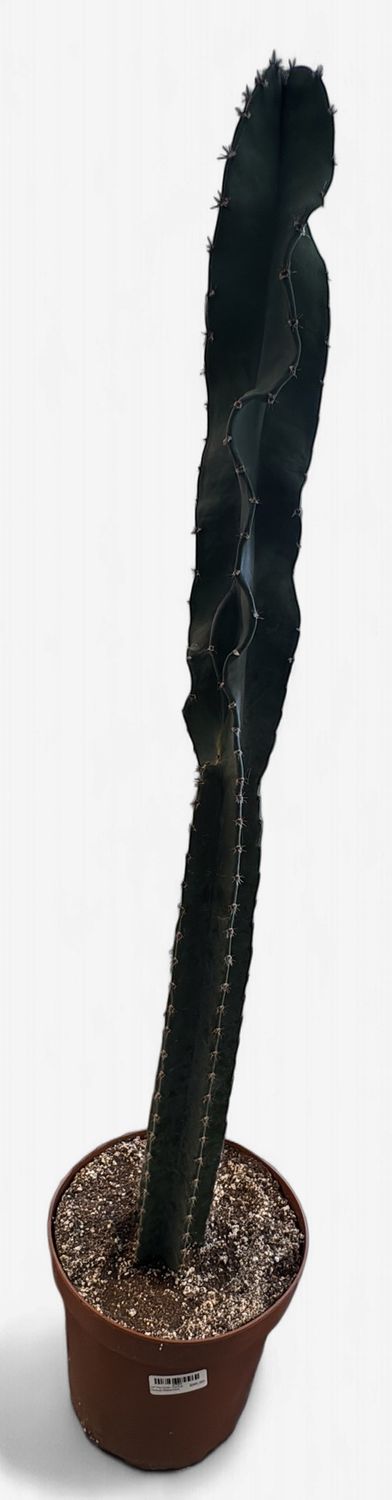
10" Peruvian Cactus Cereus Repandus
Share
$95.00
Buy and save
Buy and earn $4.75 Loyalty for your next purchase
Loyalty is a discount program that lets you buy products and earn points to redeem on your next purchase. Your Loyalty balance is updated when you pay online or in-store. The Loyalty amount shown on this page can be recalculated at the checkout.
In stock: 1 available
10" Peruvian Cactus Cereus Repandus
Share
Delivery information
Shipping: 5–9 days
Pickup: tomorrow, 04:00 PM–07:00 PM
Product details
Brand: Plant
Peruvian Cactus
Peruvian Cactus is a dramatic columnar cactus prized for its tall blue-green to gray-green stems, pronounced ribs, and classic desert silhouette. Young plants typically grow as upright columns, while mature specimens can develop multiple branches and eventually become large, tree-like cacti. Under the right conditions, established plants may produce impressive white flowers followed by colorful edible fruit.
The proper botanical name is Cereus repandus, although it has historically been widely sold and referenced as Cereus peruvianus. Common names include Peruvian Apple Cactus, Peruvian Cactus, and Night-Blooming Cereus. The name Night-Blooming Cereus is also used for several unrelated cactus species, so Cereus repandus is the most useful name for accurately identifying this plant.
Care
Peruvian Cactus does best in very bright light with plenty of direct sunlight. Indoors, place it near the brightest sunny window available. Plants moving from lower-light conditions should be gradually acclimated to intense direct sun to reduce the risk of scorching.
Allow the potting mix to dry completely between waterings, then water thoroughly and allow all excess water to drain. During active growth, it may require more frequent watering than during winter, but the soil should still be allowed to dry before watering again. Reduce watering considerably during cooler months and periods of slower growth.
Use a very well-draining, gritty cactus or succulent potting mix in a container with drainage. Adding pumice, perlite, lava rock, coarse sand, or other mineral amendments can improve drainage and help prevent excess moisture from remaining around the roots.
Peruvian Cactus prefers warm temperatures and low humidity with good airflow. It handles typical indoor conditions well but should be protected from prolonged cold temperatures, particularly when the soil is wet.
This cactus develops a fast-growing, upright columnar habit and can eventually become a very large specimen. Mature outdoor plants can grow several feet tall and develop branching, tree-like forms. Large, established plants may produce spectacular white, night-opening flowers, which can be followed by rounded red to yellow fruit containing white flesh and small black seeds.
Pet Safety
Cereus repandus is not generally considered highly toxic to cats or dogs, but its spines can cause painful injuries to the mouth, paws, eyes, or skin. Eating cactus tissue or fruit may also cause digestive upset. Keep the plant positioned where pets and small children cannot easily come into contact with its spines.
Powered by Lightspeed
Display prices in:USD