Upcoming : Dried Floral Book Workshop Thursday Oct 29 @ 6 pm / Moss Art Sunday Nov. 1 @ 2 pm / Stained Glass Class Sunday Nov 29 @ 2pm
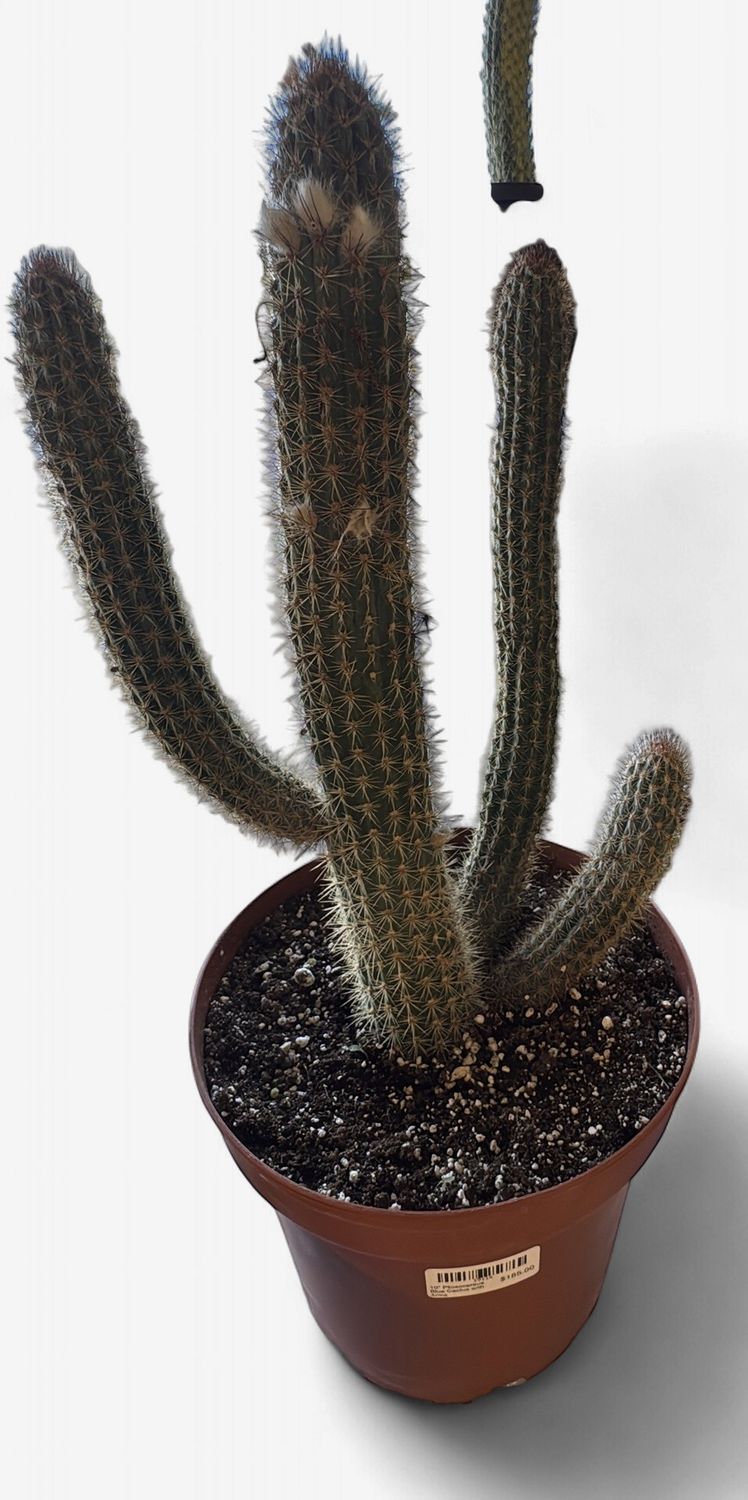
10" Pilosocereus Blue Cactus with Arms
Share
$185.00
Buy and save
Buy and earn $9.25 Loyalty for your next purchase
Loyalty is a discount program that lets you buy products and earn points to redeem on your next purchase. Your Loyalty balance is updated when you pay online or in-store. The Loyalty amount shown on this page can be recalculated at the checkout.
In stock: 1 available
10" Pilosocereus Blue Cactus with Arms
Share
Delivery information
Shipping: 5–9 days
Pickup: in 2 days
Product details
Brand: Plant
Pilosocereus Blue Cactus
Pilosocereus Blue Cactus is a striking desert cactus prized for its beautiful powdery blue to blue-green stems, upright columnar growth, and contrasting golden or pale-colored spines. Its unusual coloring gives it a dramatic, almost sculptural appearance, making it an excellent statement plant for sunny windows, cactus collections, and modern decorative planters. As it matures, the plant develops tall, ribbed columns that create an impressive architectural display.
Commonly sold as Pilosocereus Blue Cactus, Blue Torch Cactus, or Blue Columnar Cactus, this name can refer to several blue-colored species within the Pilosocereus genus, including Pilosocereus pachycladus and Pilosocereus azureus. These cacti are native to tropical and subtropical regions of the Americas, particularly Brazil. Their distinctive blue coloration comes from a natural waxy coating on the stems that helps protect them from intense sunlight and moisture loss.
Care
Pilosocereus Blue Cactus thrives in very bright light and direct sunlight. A sunny south- or west-facing window is ideal for indoor growing. Several hours of direct sunlight each day encourage strong, upright growth and help maintain its beautiful blue coloration. Gradually acclimate the plant to stronger sunlight to prevent sunburn, particularly if it has been grown in lower-light conditions.
Allow the potting mix to dry completely between waterings, then water thoroughly and allow excess water to drain. During spring and summer, the plant may require more frequent watering while actively growing. Reduce watering significantly during cooler months when growth slows. Avoid allowing the roots to remain wet for extended periods, as this can lead to root rot.
Use a fast-draining, gritty cactus and succulent potting mix in a container with drainage. A combination of cactus soil, pumice or perlite, coarse sand, and other mineral amendments works well. Excellent drainage is essential for maintaining healthy roots and preventing excess moisture from collecting around the base.
Pilosocereus Blue Cactus prefers warm temperatures and low to moderate humidity. It thrives in warm, dry environments with good airflow and does not require additional humidity. Protect it from frost, freezing temperatures, and prolonged exposure to cold, damp conditions.
This cactus develops a slow to moderately growing, upright columnar growth habit, with tall, ribbed stems that may eventually branch as the plant matures. In its natural habitat, some Pilosocereus species can grow into large, tree-like cacti, although container-grown plants typically remain much smaller.
Mature specimens may produce large, pale-colored tubular flowers, often opening at night. Flowering is uncommon on young indoor plants and generally requires maturity, strong sunlight, and favorable growing conditions. Avoid rubbing or handling the stems excessively, as this can disturb the natural waxy coating responsible for their attractive blue appearance.
Pet Safety
Pilosocereus Blue Cactus is not generally considered highly toxic to cats and dogs, although species-specific toxicity information is limited. Its sharp spines can cause puncture wounds and injuries to curious pets or children. Chewing or swallowing cactus material may also cause mouth irritation or digestive upset. Keep it in a secure location away from pets and small children.
Powered by Lightspeed
Display prices in:USD