Upcoming : Halloween Terrarium Workshop Tuesday Oct. 13 @ 6 pm / Garden Stone Painting Night Tuesday Oct. 20 @ 6 pm / Dried Floral Book Workshop Thursday Oct 29 @ 6 pm / Moss Art Sunday Nov. 1 @ 2 pm
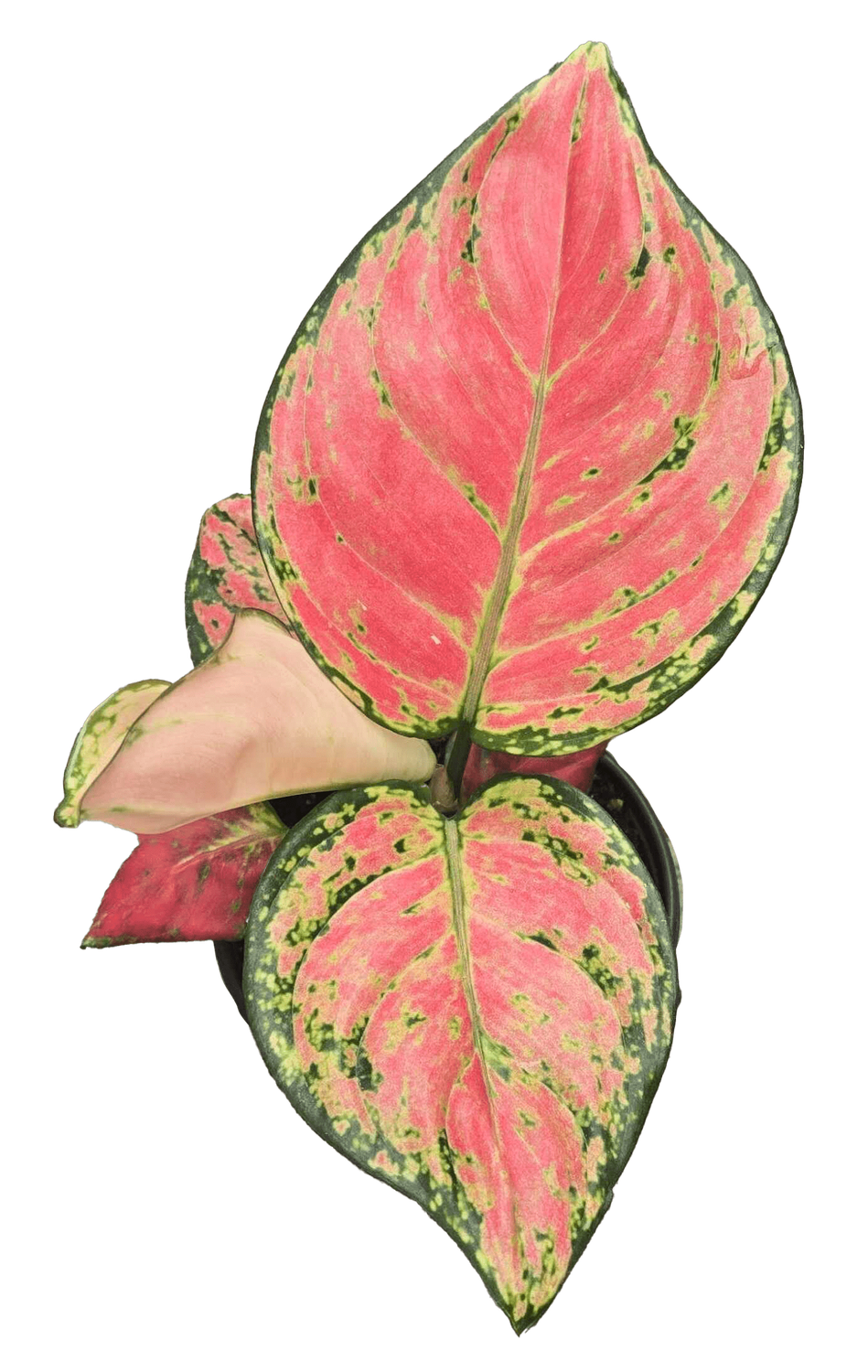
4" Aglaonema Diamond Red
Share
$18.00
Sold out
Sold out
4" Aglaonema Diamond Red
Share
Product details
Brand: Plant
Aglaonema Diamond Red
Aglaonema Diamond Red is a colorful tropical houseplant known for its bold red and pink foliage accented with shades of green. Its vibrant leaves bring a pop of color to indoor spaces without requiring the demanding care of many other colorful tropical plants. Its compact, bushy growth habit makes it a great choice for desks, shelves, plant stands, and bright indoor spaces.
The proper name is commonly listed as Aglaonema ‘Diamond Red’ or Aglaonema Red Diamond, depending on the grower or supplier. It is a cultivated variety of Chinese Evergreen selected for its colorful foliage and easy-going nature.
Care
Aglaonema Diamond Red does best in medium to bright, indirect light. Brighter filtered light helps maintain stronger red and pink coloring. It can tolerate lower light, but the foliage may become greener and growth may slow. Avoid harsh direct sunlight, which can scorch the leaves.
Water thoroughly when the top inch or two of soil feels dry and allow excess water to drain. Aglaonema prefer lightly moist soil but do not like sitting in wet soil, so avoid watering too frequently.
Use a well-draining potting mix and a pot with drainage. A standard houseplant mix with added perlite, orchid bark, or coco coir works well and provides a good balance of moisture retention and airflow around the roots.
Aglaonema Diamond Red prefers warm temperatures and moderate humidity. It adapts well to normal household conditions but appreciates additional humidity when available. Keep it away from cold drafts, heating vents, and air conditioning.
This plant has a compact, upright, and bushy growth habit and requires very little maintenance. Remove older or damaged leaves as needed to keep the plant looking full and healthy. Its combination of colorful foliage and adaptability makes it a great choice for both newer plant owners and experienced collectors.
Pet Safety
Aglaonema plants are toxic to cats and dogs if ingested. They contain insoluble calcium oxalate crystals that can cause irritation of the mouth and digestive tract. Keep them away from pets and small children.
Powered by Lightspeed
Display prices in:USD