Upcoming : Halloween Terrarium Workshop Tuesday Oct. 13 @ 6 pm / Garden Stone Painting Night Tuesday Oct. 20 @ 6 pm / Dried Floral Book Workshop Thursday Oct 29 @ 6 pm / Moss Art Sunday Nov. 1 @ 2 pm
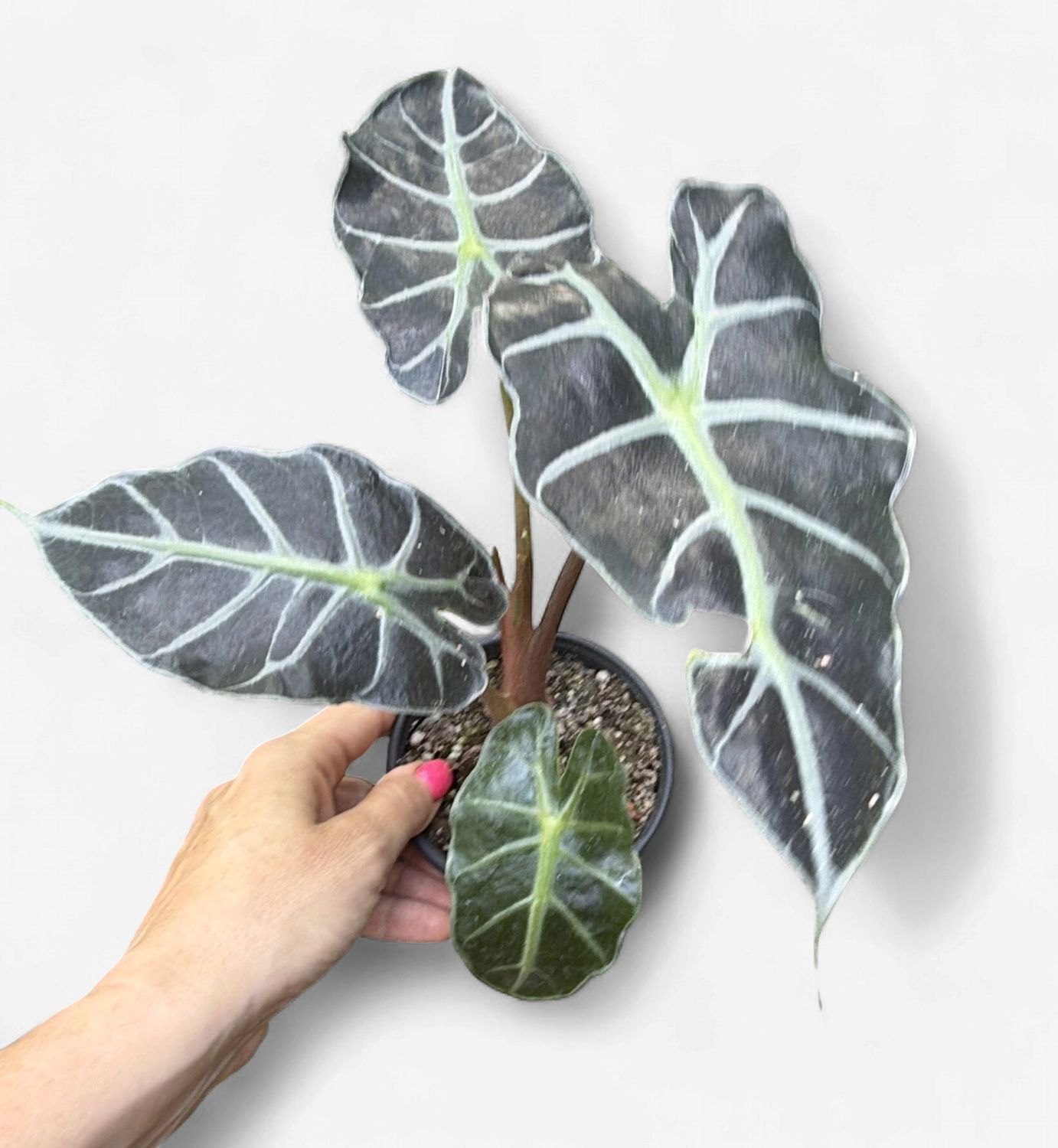
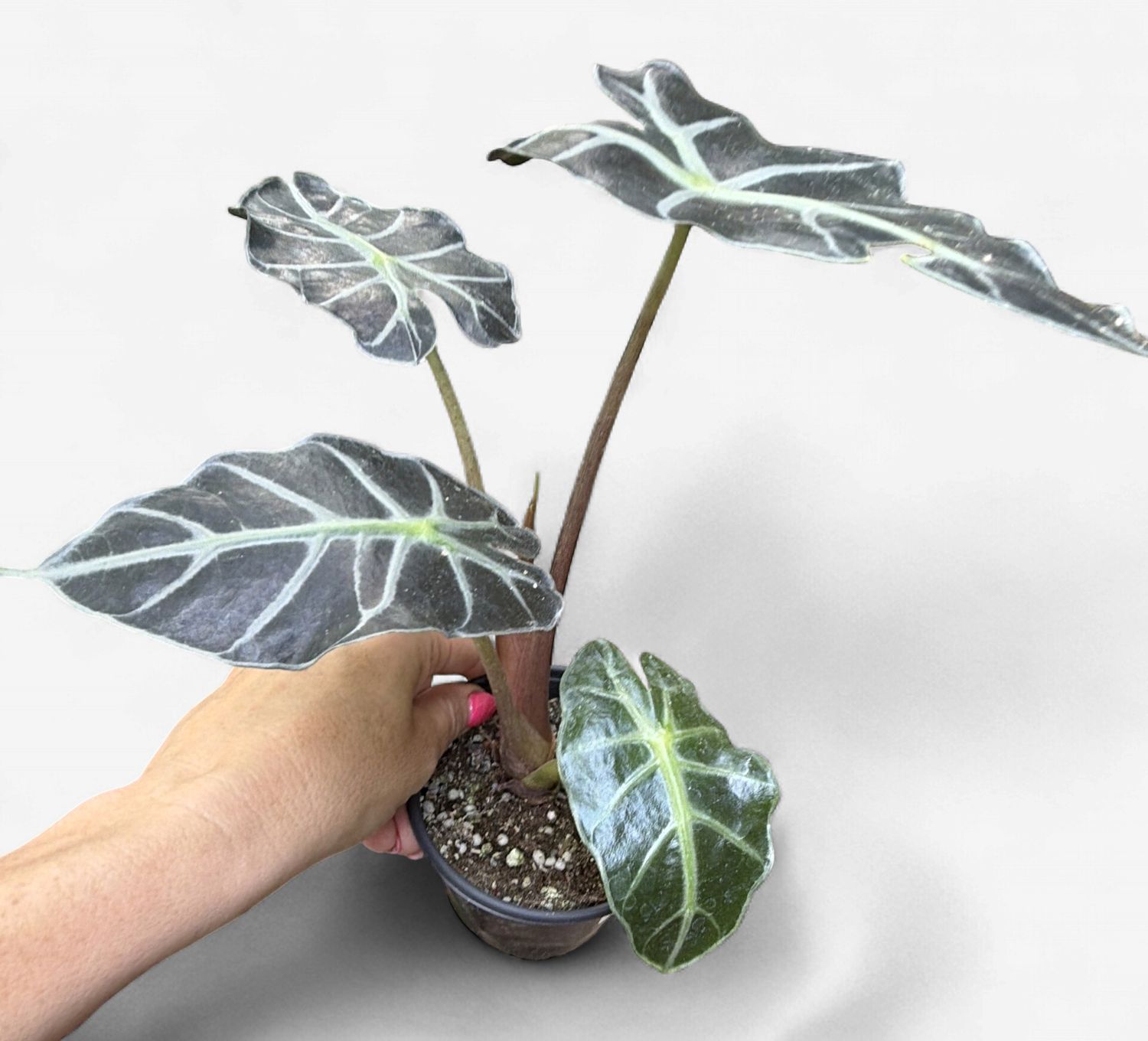
4" Alocasia Parasol
Share
$19.98
Sold out
Sold out
4" Alocasia Parasol
Share
Product details
Brand: Plant
Alocasia Parasol
Alocasia Parasol is a striking tropical houseplant known for its broad, dark green leaves, bright veining, and deeply shaped edges. Its foliage has an umbrella-like look, giving the plant a bold but compact appearance for shelves, plant stands, and bright indoor spaces.
The proper name is commonly listed as Alocasia ‘Parasol’. It is often described as a mutation or sport of Alocasia ‘Polly’, with wider leaves and a slightly different shape.
Care
Alocasia Parasol does best in bright, indirect light. It can tolerate medium light, but brighter filtered light helps support stronger growth and better leaf shape. Avoid harsh direct sun, which can scorch the foliage.
Water thoroughly when the top inch or two of soil feels dry and allow water to drain. Alocasia prefer consistent moisture, but they do not like sitting in wet soil, so avoid watering too frequently.
Use a well-draining, chunky potting mix and a pot with drainage. A mix with houseplant soil, orchid bark, perlite, and coco coir works well.
Alocasia Parasol prefers warm temperatures and higher humidity. Higher humidity can help reduce crispy leaf edges and support healthy growth. Keep it away from cold drafts, heating vents, and air conditioning.
This plant may drop older leaves when conditions change, especially after shipping, repotting, or changes in light and humidity. This is common with Alocasia and does not always mean the plant is unhealthy, as long as the roots are healthy and new growth continues.
Pet Safety
Alocasia plants are toxic to pets if ingested. Keep them away from cats, dogs, and small children.
Powered by Lightspeed
Display prices in:USD