Upcoming Events: Moss Art Thursday Sept. 24th @ 6pm / Plant Stake Stained Glass Workshop Sunday Sept. 27th @ 2pm / Moss Art Thursday Oct. 1st @ 6 pm / Intro to Stained Glass October 3rd @ 2 pm
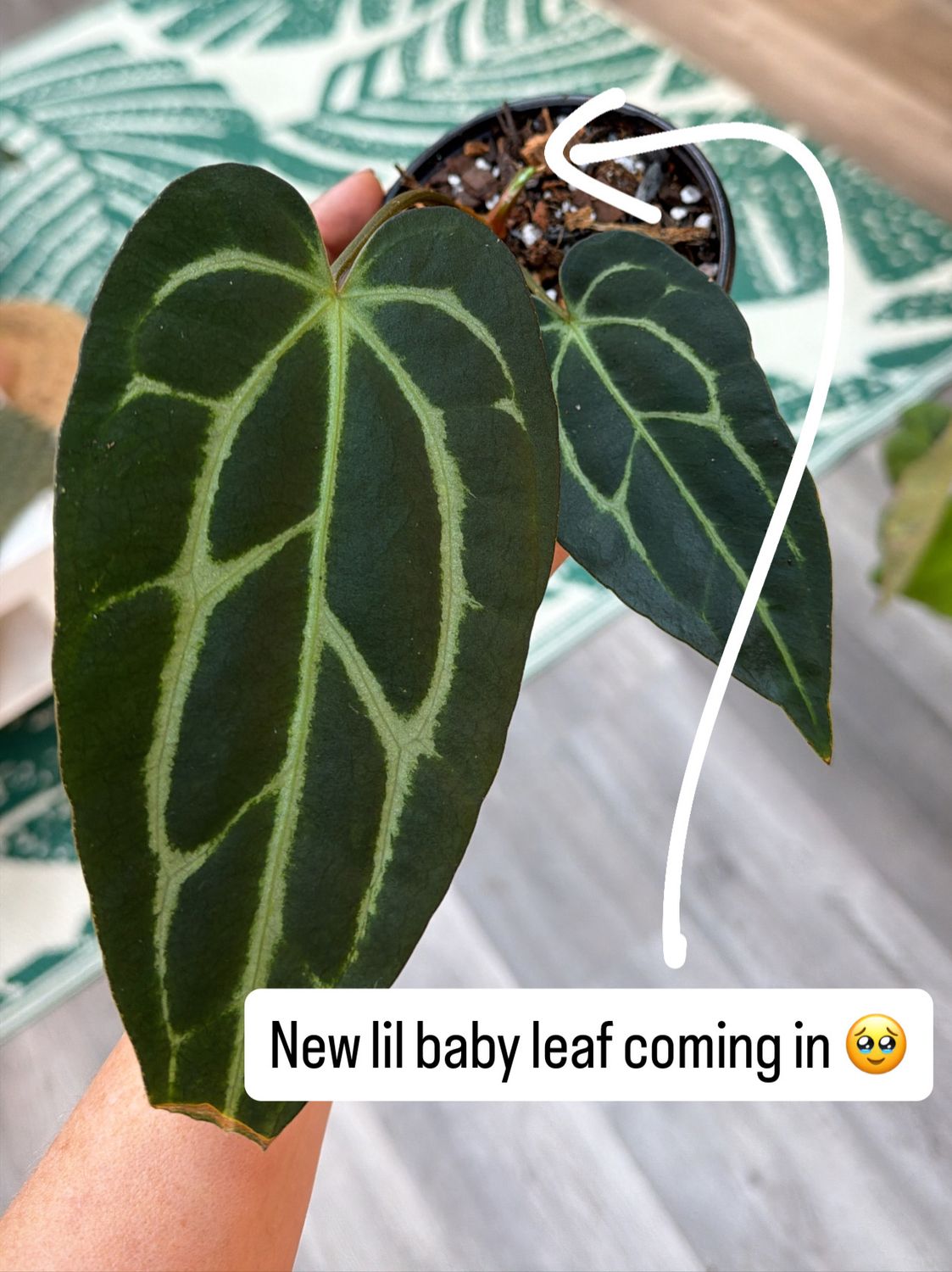
4" Anthurium Carlablackiae Spider Black
$120.00
Buy and save
Buy and earn $6.00 Loyalty for your next purchase
Loyalty is a discount program that lets you buy products and earn points to redeem on your next purchase. Your Loyalty balance is updated when you pay online or in-store. The Loyalty amount shown on this page can be recalculated at the checkout.
In stock: 3 available
4" Anthurium Carlablackiae Spider Black
Product Details
Brand: Plant
Anthurium Carlablackiae Spider Black
Anthurium Carlablackiae Spider Black is an exceptional collector Anthurium prized for its dark, velvety foliage, elongated heart-shaped leaves, and dramatic contrasting veins. The Spider Black form is particularly valued for its narrow, elongated leaf shape and deep coloration, giving mature foliage a distinctive, almost spider-like silhouette. New leaves may emerge in bronze, reddish, or darker tones before gradually hardening into rich dark green that can appear nearly black under certain lighting.
The proper botanical name is Anthurium carlablackiae, a rare species native to Panama. “Spider Black” is a collector or horticultural designation used for a selected form displaying especially elongated proportions and dark foliage rather than a formally recognized botanical variety. Because collector forms can vary between individual plants and lineages, some variation in leaf shape, darkness, and vein prominence should be expected.
Care
Anthurium Carlablackiae Spider Black does best in bright, indirect light. Plenty of filtered light supports healthy growth and development of its characteristic dark foliage. Avoid prolonged harsh direct sunlight, which can scorch the delicate velvety surface and permanently damage the leaves.
Water when the top inch or two of the potting mix begins to dry, then water thoroughly and allow all excess water to drain. Anthurium Carlablackiae appreciates consistent moisture during active growth and generally should not remain completely dry for extended periods. Avoid constantly saturated or waterlogged conditions, which can lead to root problems.
Use a very airy, chunky and well-draining aroid potting mix in a container with excellent drainage. A combination of orchid bark, coco chips or coir, perlite or pumice, and a small amount of moisture-retentive material works well. The roots benefit from consistent access to moisture while still receiving plenty of oxygen.
Anthurium Carlablackiae Spider Black prefers warm temperatures and moderate to high humidity. Higher humidity can be particularly beneficial while new leaves are emerging and expanding. Good airflow is important in humid conditions and helps prevent moisture from remaining on the velvety foliage for extended periods.
This Anthurium develops an upright to spreading growth habit, producing increasingly impressive foliage as it matures. Give emerging leaves plenty of room to expand without rubbing against neighboring plants, walls, or shelving. Avoid frequently touching or wiping the leaves, as the velvet surface can be easily marked or damaged.
Pet Safety
Anthurium Carlablackiae Spider Black is toxic to cats and dogs if ingested. Like other Anthuriums, it contains insoluble calcium oxalate crystals that can cause irritation of the mouth, tongue, and lips, along with drooling, vomiting, and difficulty swallowing. Keep it out of reach of pets and small children.
Powered by Lightspeed
Display prices in:USD