Upcoming : Halloween Terrarium Workshop Tuesday Oct. 13 @ 6 pm / Garden Stone Painting Night Tuesday Oct. 20 @ 6 pm / Dried Floral Book Workshop Thursday Oct 29 @ 6 pm / Moss Art Sunday Nov. 1 @ 2 pm
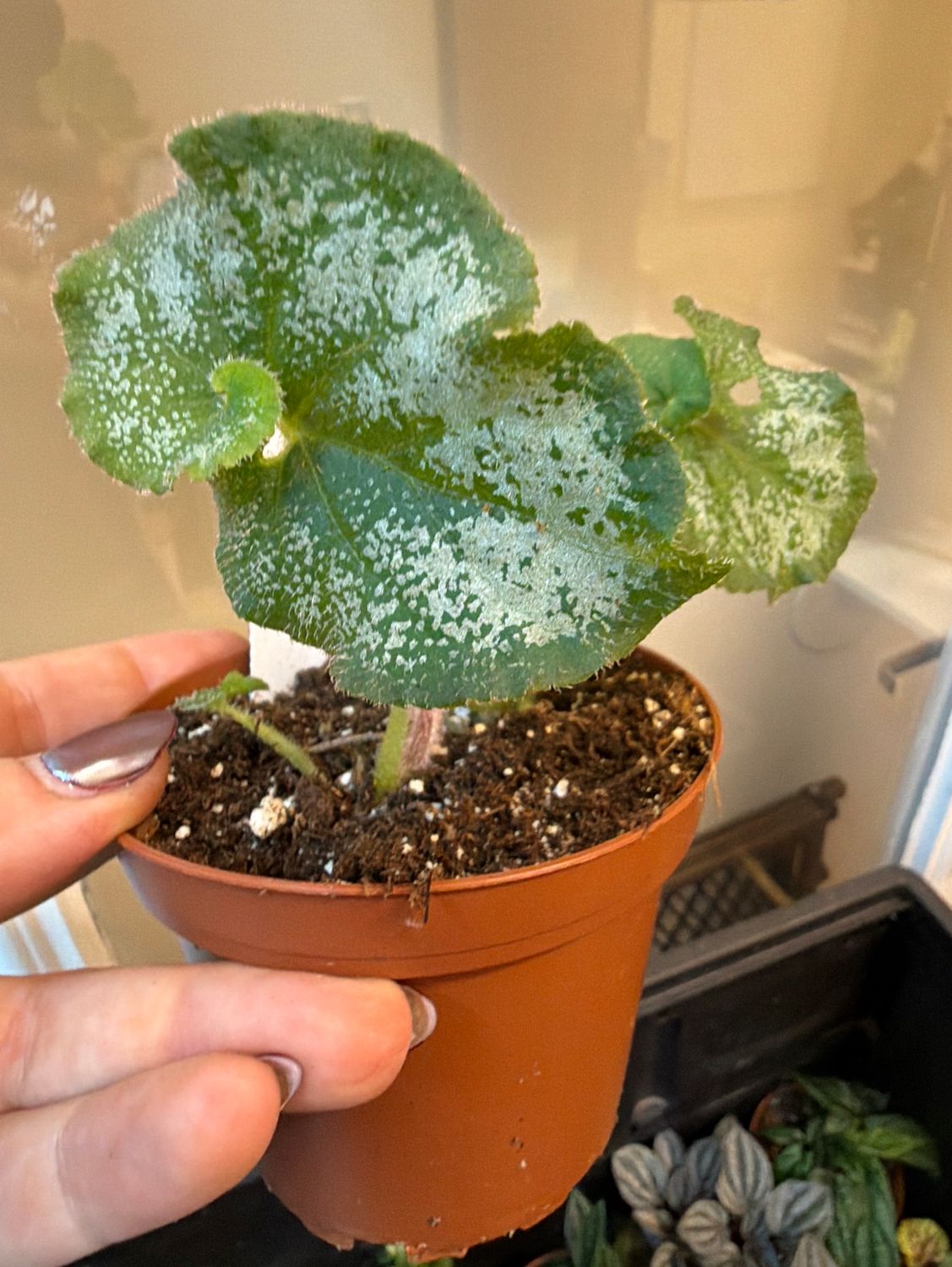
4" Begonia Escargot
Share
$18.00
Buy and save
Buy and earn $0.90 Loyalty for your next purchase
Loyalty is a discount program that lets you buy products and earn points to redeem on your next purchase. Your Loyalty balance is updated when you pay online or in-store. The Loyalty amount shown on this page can be recalculated at the checkout.
In stock: 3 available
4" Begonia Escargot
Share
Delivery information
Shipping: 6–10 days
Pickup: tomorrow, 11:00 AM–07:00 PM
Product details
Brand: Plant
Begonia Escargot
Begonia Escargot is a striking foliage houseplant prized for its dramatic spiral-shaped leaves, shimmering silver markings, and rich green coloration. Each rounded leaf features a distinctive curling pattern that resembles a snail's shell, creating a beautiful swirling design. The combination of silvery bands, deep green foliage, and textured leaf surfaces makes this Begonia an eye-catching addition to shelves, tabletops, and specialty plant collections.
The proper horticultural name is Begonia ‘Escargot’, a cultivated Rex Begonia hybrid. The name “Escargot” is French for snail, referring to the characteristic spiral pattern that develops near the center of each leaf. This unusual foliage makes it one of the most recognizable Rex Begonias. Although mature plants may produce small flowers, Escargot is primarily grown for its spectacular leaves.
Care
Begonia Escargot does best in bright, indirect light. Good filtered light helps maintain its beautiful silver and green coloration while encouraging healthy, compact growth. It can tolerate medium light, although its foliage patterns may become less pronounced in darker conditions. Avoid prolonged direct sunlight, which can scorch the delicate leaves.
Water when the top inch of soil begins to feel dry, then water thoroughly and allow excess water to drain. Begonia Escargot appreciates consistent moisture during active growth but should never remain soggy or waterlogged. Avoid allowing the potting mix to dry completely for extended periods, as this can lead to wilting and crispy leaf edges.
Use a light, airy, and well-draining potting mix in a container with drainage. A mixture containing quality houseplant soil or coco coir, perlite or pumice, and fine orchid bark works well. The roots appreciate a balance of moisture retention and good airflow.
Begonia Escargot prefers warm temperatures and moderate to high humidity. Additional humidity can help maintain healthy foliage and prevent crispy leaf edges, particularly in dry indoor environments. Good airflow is important, and water should not be allowed to sit on the leaves for extended periods. Protect the plant from cold drafts and sudden temperature changes.
This Begonia develops a compact, mounding growth habit, with its large, spiral-patterned leaves emerging from thick rhizomes near the soil surface. Mature plants typically reach approximately 8 to 12 inches tall and can spread wider as they establish. Its relatively low-growing form makes it especially well suited for decorative containers and tabletop displays.
Under favorable conditions, Begonia Escargot may produce small clusters of delicate pink flowers, although its distinctive foliage remains the main attraction. Remove damaged or aging leaves as needed to maintain a tidy appearance. Established plants can also be propagated through leaf cuttings or rhizome division.
Pet Safety
Begonia Escargot is toxic to cats and dogs if ingested. Begonias contain soluble calcium oxalates, with higher concentrations generally found in their underground portions. Ingestion can cause irritation of the mouth and digestive tract, drooling, vomiting, and difficulty swallowing. Keep it out of reach of pets and small children.
Powered by Lightspeed
Display prices in:USD