Upcoming : Halloween Terrarium Workshop Tuesday Oct. 13 @ 6 pm / Garden Stone Painting Night Tuesday Oct. 20 @ 6 pm / Dried Floral Book Workshop Thursday Oct 29 @ 6 pm / Moss Art Sunday Nov. 1 @ 2 pm
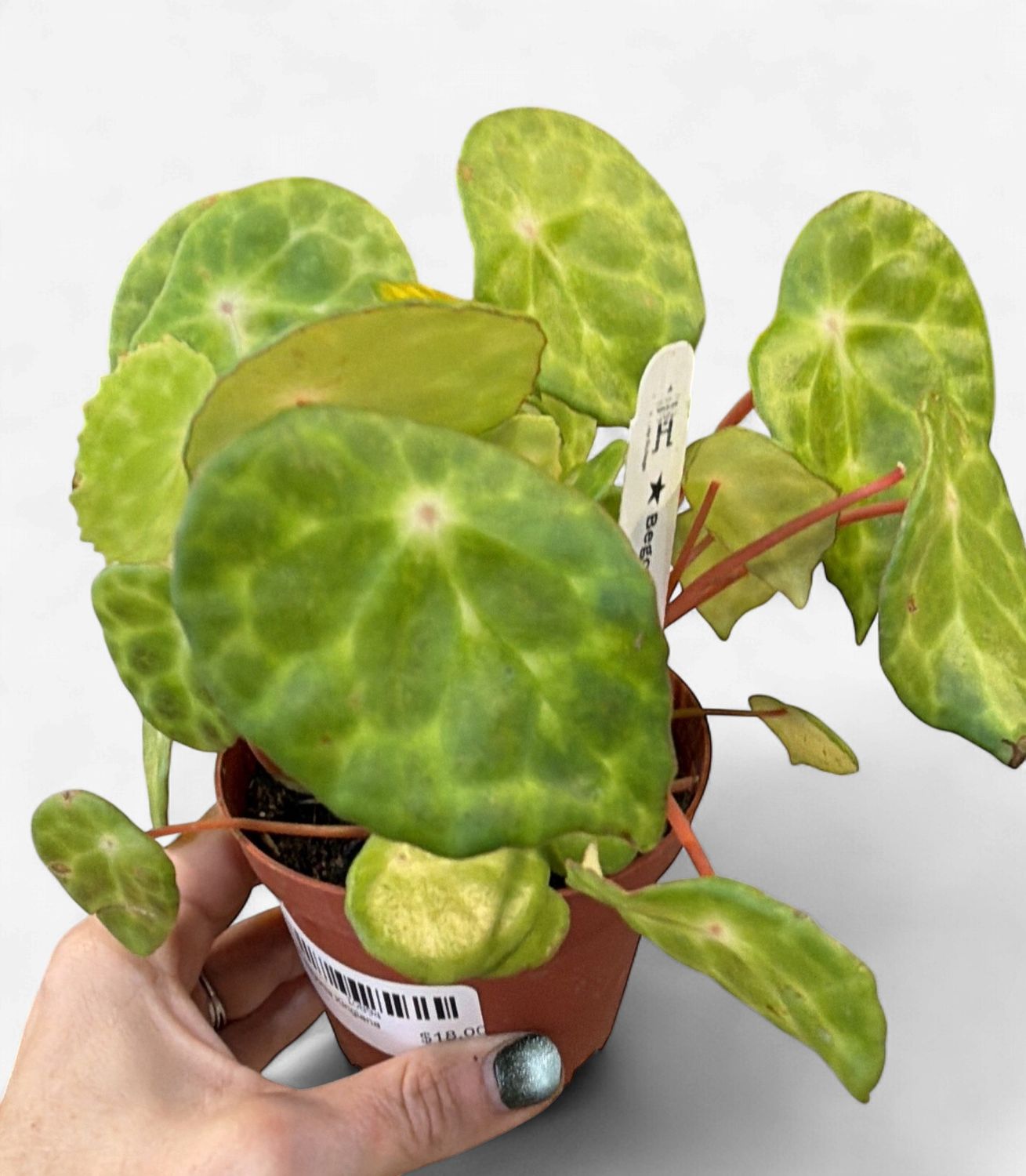
4" Begonia Kingiana
Share
$18.00
Sold out
Sold out
4" Begonia Kingiana
Share
Product details
Brand: Plant
Begonia Kingiana
Begonia Kingiana is a rare and unusual Begonia prized for its deeply textured foliage, prominent veining, and rugged, almost prehistoric appearance. Its leaves can develop rich green to darker tones with a heavily sculpted or bullate surface, giving the plant exceptional depth and character. Its compact size and distinctive foliage make it especially appealing to Begonia collectors and well suited for terrariums, plant cabinets, and other controlled indoor growing spaces.
The proper botanical name is Begonia kingiana. It is a naturally occurring Begonia species rather than a cultivated hybrid and is native to limestone habitats in Peninsular Malaysia. Its specialized natural environment is one reason it is generally considered more of a collector plant than an entry-level Begonia.
Care
Begonia Kingiana does best in medium to bright, indirect light. Good filtered light encourages healthy, compact growth and helps show off the texture of its foliage. Avoid prolonged direct sunlight, which can scorch the leaves.
Water when the top layer of the potting mix begins to feel slightly dry, keeping the plant consistently but lightly moist during active growth. Avoid allowing it to dry completely for extended periods, but never leave the roots sitting in soggy or waterlogged soil.
Use a light, airy and well-draining potting mix that retains some moisture without becoming dense. A mixture containing coco coir or quality houseplant soil, fine orchid bark, perlite or pumice, and other porous materials works well. Good drainage and airflow around the roots are particularly important.
Begonia Kingiana prefers warm temperatures and high humidity. It generally performs best with more consistent humidity than many common household Begonias, making a terrarium, greenhouse, or plant cabinet especially useful in drier environments. Good airflow remains important when humidity is high, and the foliage should not remain constantly wet.
This plant has a compact, slow-growing habit and is best appreciated as a specialty foliage plant. Its leaves can be delicate, so avoid unnecessary handling. Consistent growing conditions are preferable to frequent changes in temperature, humidity, watering, or location.
Pet Safety
Begonia Kingiana is toxic to cats and dogs if ingested. Begonias contain soluble calcium oxalates that can cause irritation of the mouth and digestive tract, with the highest concentrations generally found in the underground portions of the plant. Keep it away from pets and small children.
Powered by Lightspeed
Display prices in:USD