Upcoming : Halloween Terrarium Workshop Tuesday Oct. 13 @ 6 pm / Garden Stone Painting Night Tuesday Oct. 20 @ 6 pm / Dried Floral Book Workshop Thursday Oct 29 @ 6 pm / Moss Art Sunday Nov. 1 @ 2 pm
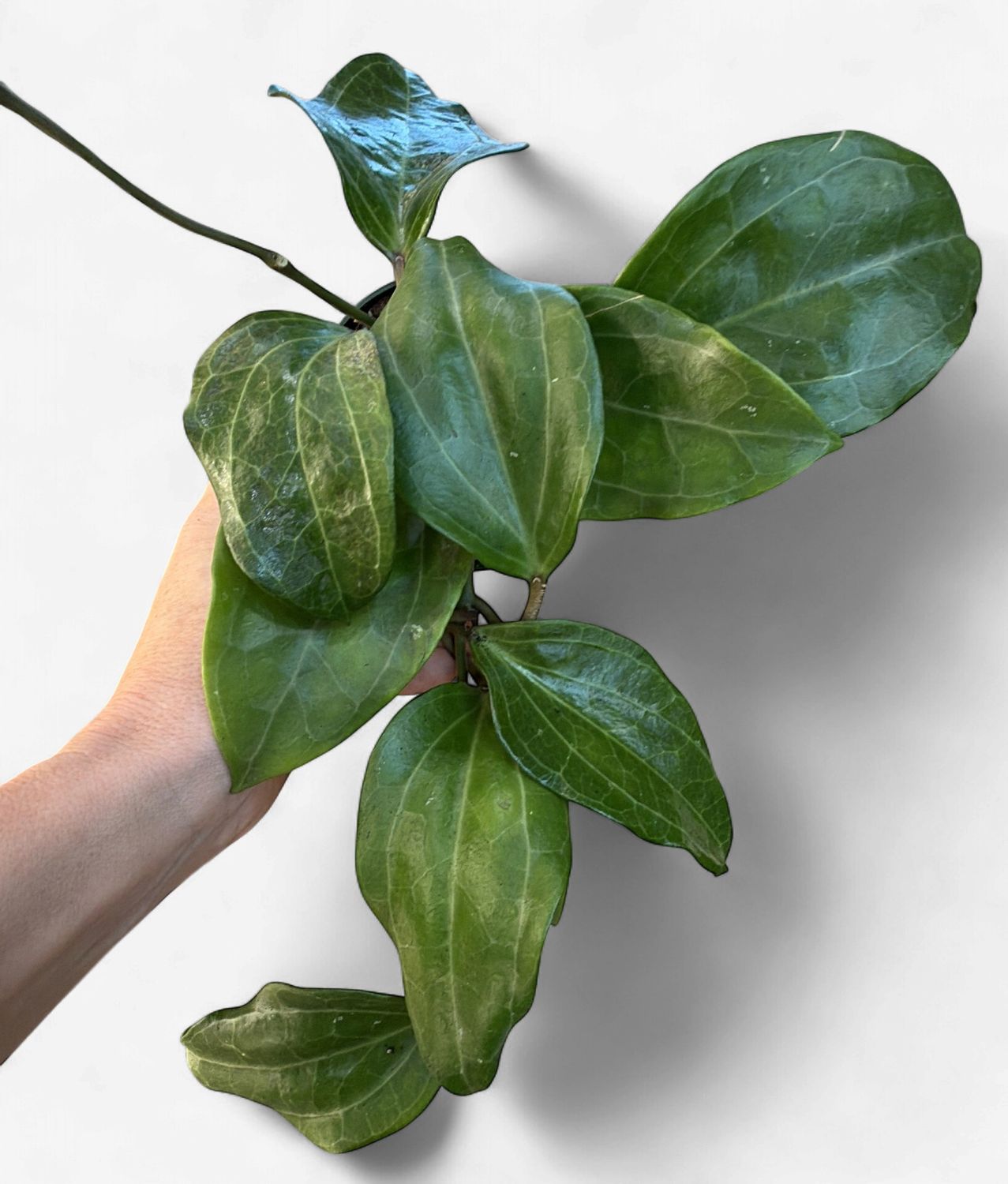
4" Hoya Sarawak
Share
$26.00
Buy and save
Buy and earn $1.30 Loyalty for your next purchase
Loyalty is a discount program that lets you buy products and earn points to redeem on your next purchase. Your Loyalty balance is updated when you pay online or in-store. The Loyalty amount shown on this page can be recalculated at the checkout.
In stock: 4 available
4" Hoya Sarawak
Share
Delivery information
Shipping: 4–8 days
Pickup: tomorrow, 11:00 AM–07:00 PM
Product details
Brand: Plant
Hoya Sarawak
Hoya Sarawak is a highly sought-after tropical Hoya known for its large, thick, rounded leaves with prominent veining and a beautifully textured surface. The substantial foliage can develop attractive reddish or bronze tones when grown in brighter light, while mature vines may produce clusters of waxy, star-shaped flowers. Its oversized leaves and bold appearance make it an excellent choice for Hoya collectors, trellises, shelves, and bright indoor spaces.
The plant commonly sold as Hoya Sarawak is generally Hoya latifolia, a variable species native to parts of Southeast Asia. “Sarawak” refers to the Malaysian state on the island of Borneo associated with this collected form. It may also be encountered in the plant trade under older or collector-specific naming, so labels can vary between growers.
Care
Hoya Sarawak does best in bright, indirect light. Plenty of filtered light encourages healthy growth and can help promote flowering once the plant is mature. Some gentle morning or late-afternoon sun can also encourage attractive coloration in the foliage, but avoid suddenly exposing the plant to intense direct sunlight.
Water thoroughly when the upper portion of the soil has dried and allow excess water to drain. Its thick leaves store moisture, so it generally prefers to dry somewhat between waterings rather than remaining consistently wet. Avoid allowing the roots to sit in soggy soil.
Use a well-draining, chunky potting mix and a pot with drainage. A mixture containing orchid bark, perlite or pumice, coco coir, and a small amount of quality houseplant soil works well. The goal is to provide excellent airflow around the roots while retaining enough moisture to prevent them from drying excessively quickly.
Hoya Sarawak prefers warm temperatures and moderate to high humidity. It adapts to normal household conditions but generally produces its best growth with consistent warmth and additional humidity. Good airflow is beneficial, particularly in higher-humidity environments.
This plant has a climbing and vining growth habit and benefits from a sturdy trellis or other support as it matures. Its leaves can become quite large and heavy, so stronger support may be needed as the plant grows. Avoid removing old flower spurs, or peduncles, after blooming because Hoyas can produce flowers repeatedly from the same structures.
Pet Safety
Hoya Sarawak is generally considered pet-friendly and non-toxic to cats and dogs. As with any houseplant, eating large amounts of plant material may still cause mild digestive upset, so it is best to discourage pets from chewing on the foliage.
Powered by Lightspeed
Display prices in:USD