Upcoming : Halloween Terrarium Workshop Tuesday Oct. 13 @ 6 pm / Garden Stone Painting Night Tuesday Oct. 20 @ 6 pm / Dried Floral Book Workshop Thursday Oct 29 @ 6 pm / Moss Art Sunday Nov. 1 @ 2 pm
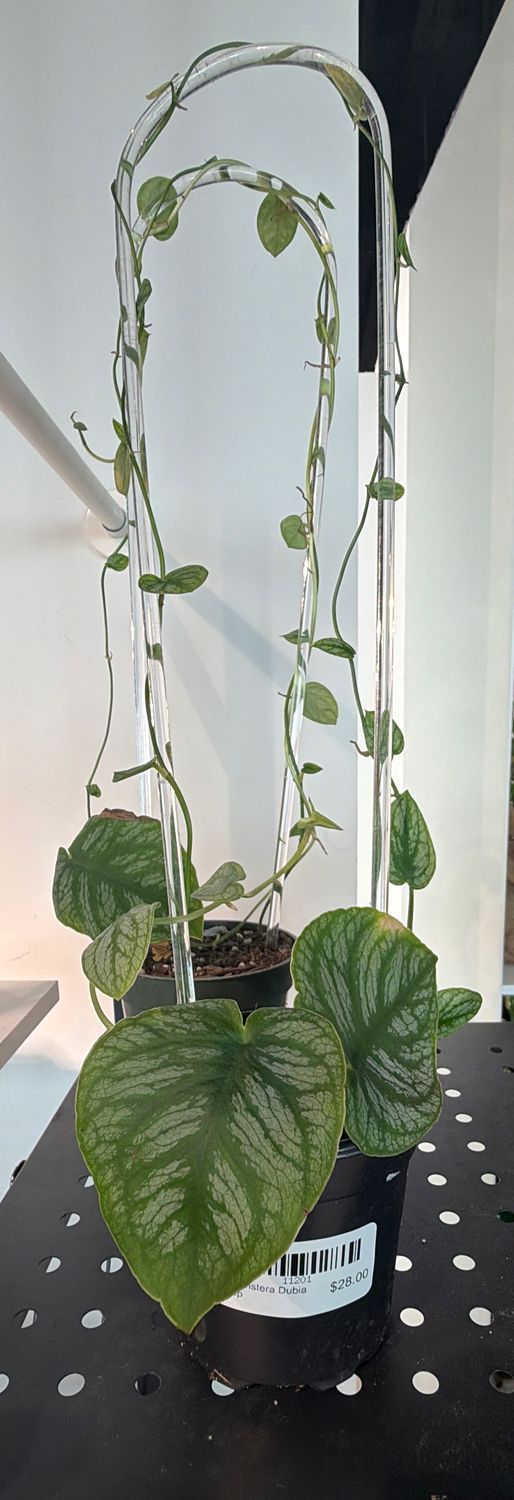
4" Monstera Dubia Hoop
Share
$28.00
Buy and save
Buy and earn $1.40 Loyalty for your next purchase
Loyalty is a discount program that lets you buy products and earn points to redeem on your next purchase. Your Loyalty balance is updated when you pay online or in-store. The Loyalty amount shown on this page can be recalculated at the checkout.
In stock: 3 available
4" Monstera Dubia Hoop
Share
Delivery information
Shipping: 4–8 days
Pickup: tomorrow, 11:00 AM–07:00 PM
Product details
Brand: Plant
Monstera Dubia
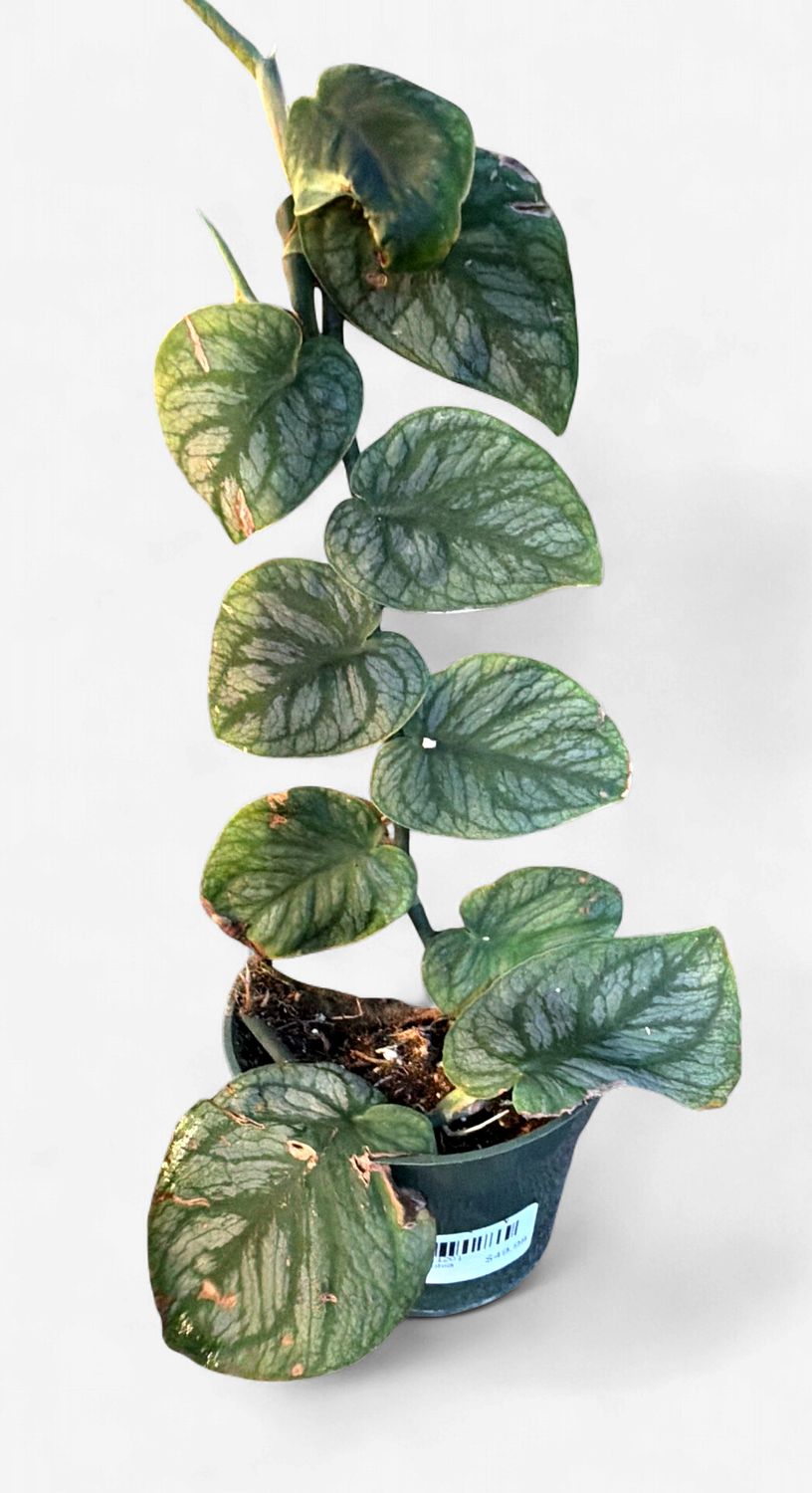
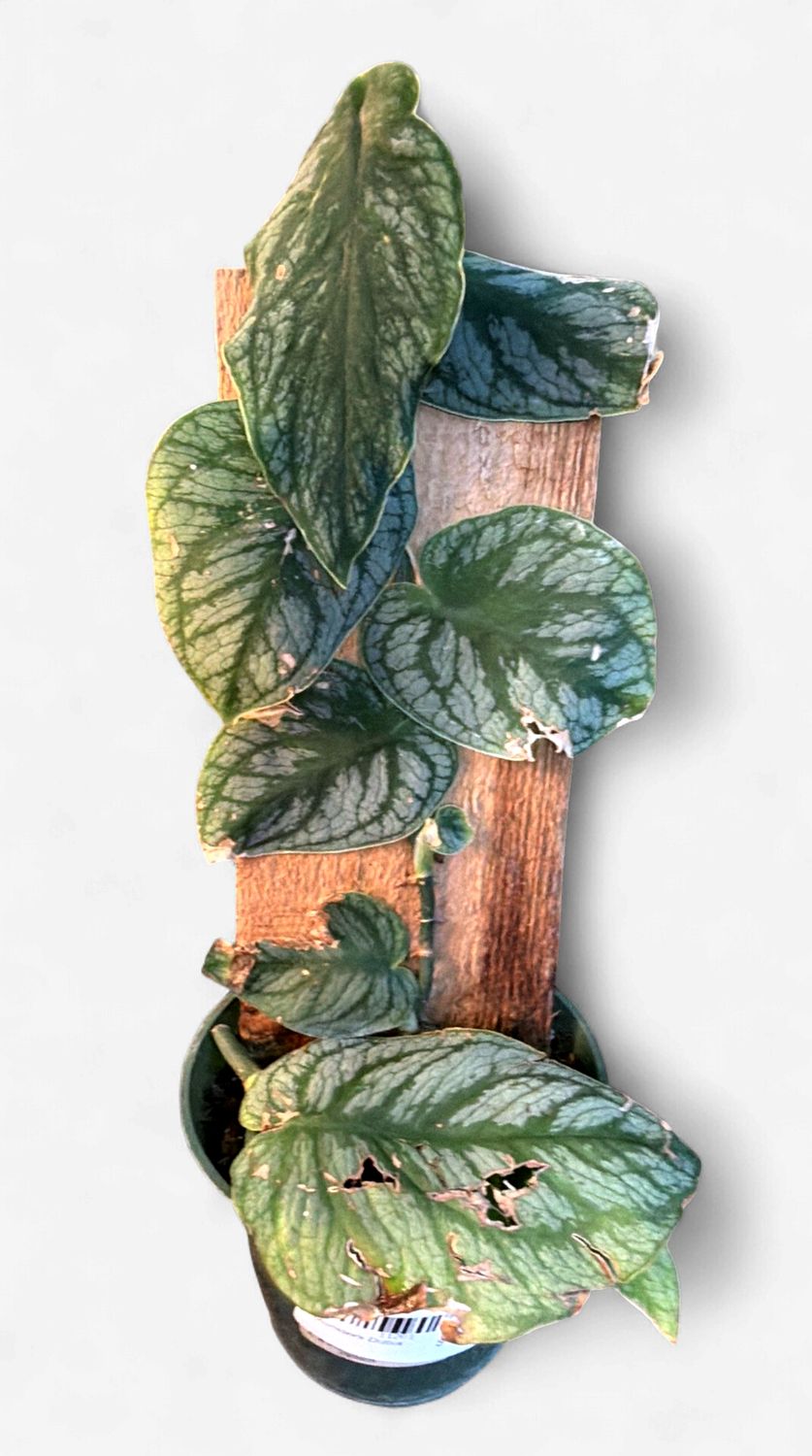
Monstera Dubia is an unusual climbing aroid prized for its silvery-green patterned leaves and distinctive shingling growth habit. Juvenile leaves grow nearly flat against a tree, plank, or other vertical surface, overlapping one another like roof shingles. The foliage typically displays a beautiful combination of green and silver-gray markings, giving young plants an appearance very different from the large, fenestrated Monsteras most people recognize.
The proper botanical name is Monstera dubia. It is a naturally occurring Monstera species native to tropical areas of Central and South America. It is commonly called Shingle Plant or Shingle Monstera because of the way its juvenile foliage presses tightly against climbing surfaces. As the plant reaches maturity, its appearance can change dramatically, producing much larger leaves that may develop splits and fenestrations.
Care
Monstera Dubia does best in bright, indirect light. Good filtered light encourages compact growth and helps maintain the attractive silver patterning of juvenile foliage. It can tolerate medium light, but growth may slow and become less compact. Avoid prolonged harsh direct sunlight, which can scorch the leaves.
Water when the top inch or two of soil feels dry, then water thoroughly and allow excess water to drain. Monstera Dubia prefers consistent moisture during active growth but should never remain soggy or waterlogged. Avoid allowing the plant to stay completely dry for extended periods.
Use a well-draining, chunky aroid potting mix in a container with drainage. A mixture containing quality houseplant soil or coco coir, orchid bark, perlite or pumice, and other coarse amendments works well. This provides some moisture retention while maintaining plenty of airflow around the roots.
Monstera Dubia prefers warm temperatures and moderate to high humidity. Higher humidity can encourage healthy foliage and strong aerial-root development, although good airflow remains important. Protect the plant from cold drafts and prolonged exposure to cooler temperatures.
Providing a flat vertical climbing surface is especially important for Monstera Dubia. A wooden plank, cork board, moss-covered board, or similar support allows its aerial roots to attach and encourages the characteristic shingling growth. Without suitable support, the vines may search for something to climb and produce smaller or less orderly foliage.
As Monstera Dubia matures and climbs higher, it can undergo a dramatic transformation. Mature foliage becomes larger, greener, and increasingly fenestrated, eventually looking much more like a traditional mature Monstera. Indoors, plants may remain in their juvenile shingling stage for a considerable amount of time, which is often the form collectors find most appealing.
Pet Safety
Monstera Dubia is toxic to cats and dogs if ingested. Like other Monsteras, it contains insoluble calcium oxalate crystals that can cause irritation of the mouth, tongue, and lips, along with drooling, vomiting, and difficulty swallowing. Keep it out of reach of pets and small children.
Powered by Lightspeed
Display prices in:USD