Upcoming : Halloween Terrarium Workshop Tuesday Oct. 13 @ 6 pm / Garden Stone Painting Night Tuesday Oct. 20 @ 6 pm / Dried Floral Book Workshop Thursday Oct 29 @ 6 pm / Moss Art Sunday Nov. 1 @ 2 pm
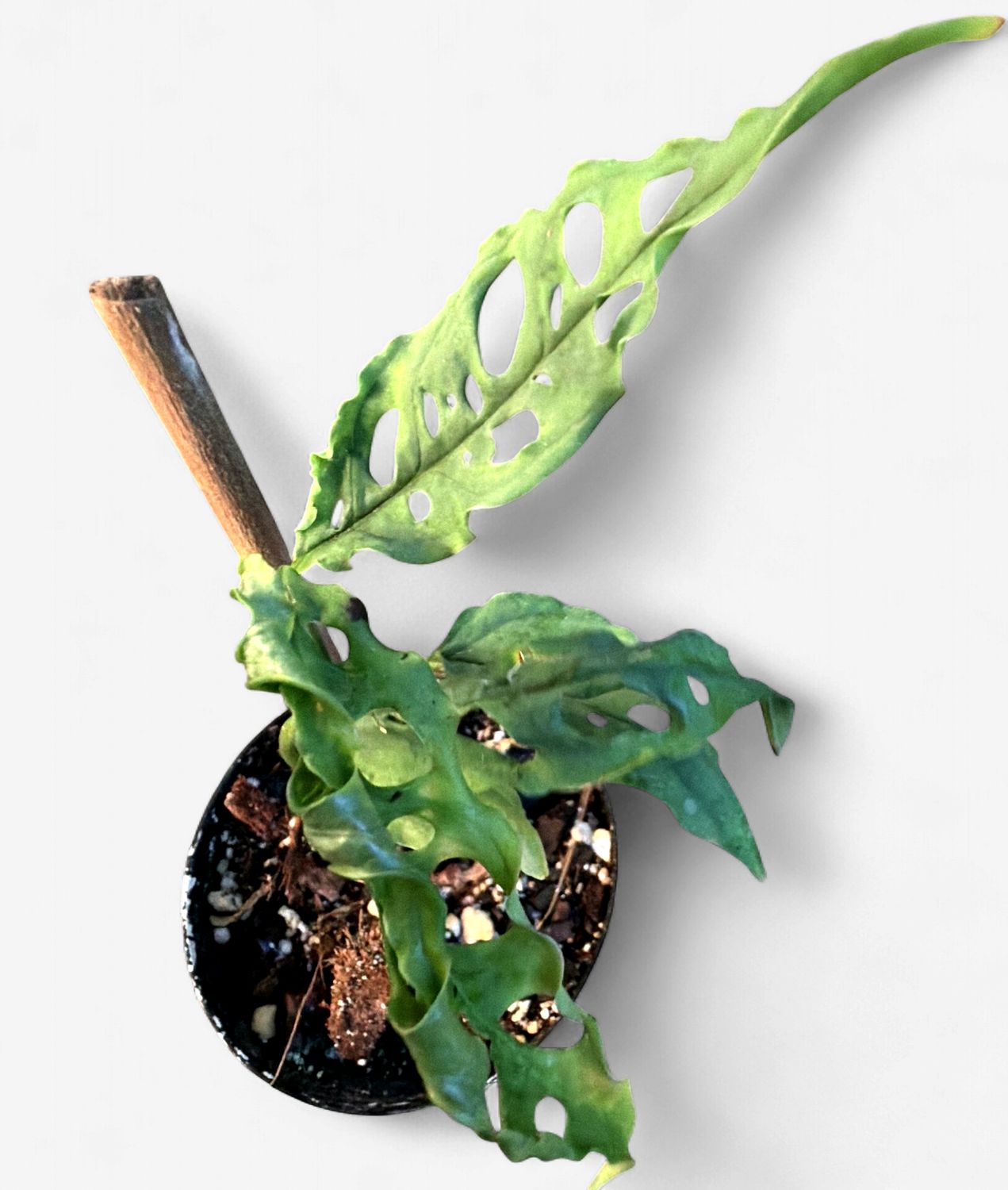
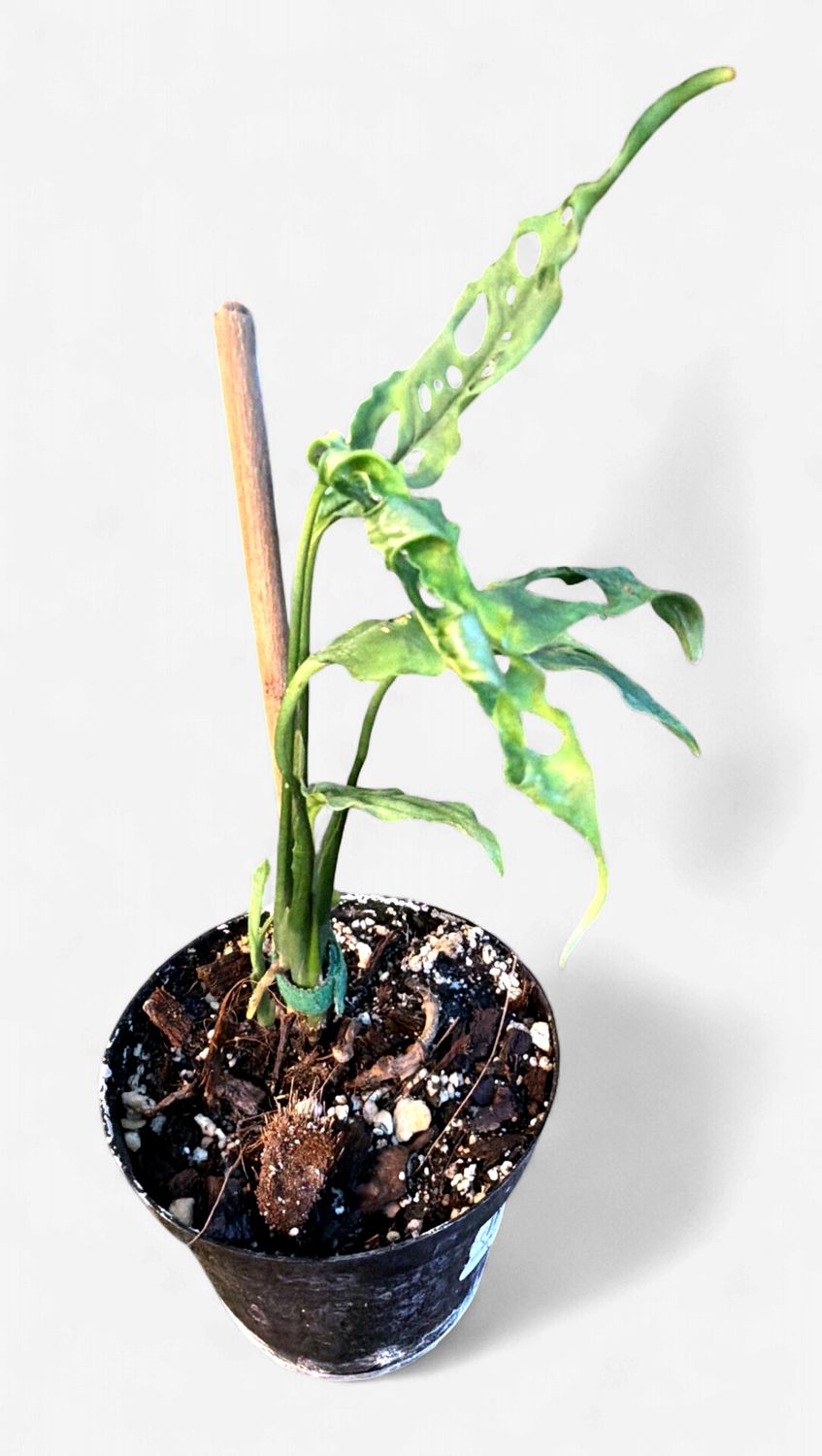
4" Monstera Obliqua
Share
$39.98
Buy and save
Buy and earn $1.99 Loyalty for your next purchase
Loyalty is a discount program that lets you buy products and earn points to redeem on your next purchase. Your Loyalty balance is updated when you pay online or in-store. The Loyalty amount shown on this page can be recalculated at the checkout.
In stock: 8 available
4" Monstera Obliqua
Share
Delivery information
Shipping: 4–8 days
Pickup: tomorrow, 01:00 PM–07:00 PM
Product details
Brand: Plant
Description
Monstera obliqua is a rare collector Monstera known for its delicate, highly fenestrated leaves and airy, lace-like appearance. Its thin foliage and dramatic holes give it a very different look from more common Monsteras, making it a standout choice for rare aroid collectors. This plant is best suited for someone comfortable with higher-humidity tropical plants, because naturally the prettiest ones also like to be a little demanding.
Light Requirements
For best growth, place Monstera obliqua in bright, indirect light. Avoid harsh direct sun, which can scorch its delicate leaves. Too little light may lead to slower growth, smaller leaves, and weaker fenestration.
Watering
Allow the top 1–2 inches of soil to dry between waterings. Monstera obliqua prefers a chunky, well-draining aroid mix and a pot with drainage. Avoid letting the soil stay soggy, as this can quickly lead to root rot.
Temperature & Humidity
This plant prefers warm indoor temperatures and higher humidity. Keep it away from cold drafts, air vents, and temperatures below 60°F. Higher humidity will help support healthier leaves, stronger growth, and better overall appearance.
Pet Safety
Monstera obliqua is not considered pet-safe and can be toxic if ingested by cats or dogs. Keep it out of reach of pets that like to chew on plants.
Best For
Monstera obliqua is best for experienced plant owners, rare aroid collectors, terrariums, greenhouse cabinets, moss poles, and bright indoor spaces with higher humidity.
Powered by Lightspeed
Display prices in:USD