Upcoming : Halloween Terrarium Workshop Tuesday Oct. 13 @ 6 pm / Garden Stone Painting Night Tuesday Oct. 20 @ 6 pm / Dried Floral Book Workshop Thursday Oct 29 @ 6 pm / Moss Art Sunday Nov. 1 @ 2 pm
4" Philodendron 'Bette Waterbury' (69686)
Share
$20.00
Buy and save
Buy and earn $1.00 Loyalty for your next purchase
Loyalty is a discount program that lets you buy products and earn points to redeem on your next purchase. Your Loyalty balance is updated when you pay online or in-store. The Loyalty amount shown on this page can be recalculated at the checkout.
In stock: 4 available
4" Philodendron 'Bette Waterbury' (69686)
Share
Delivery information
Shipping: 4–8 days
Pickup: tomorrow, 02:00 PM–07:00 PM
Product details
Brand: Plant
Philodendron ‘Bette Waterbury’ 69686
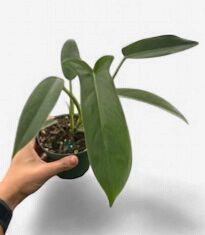
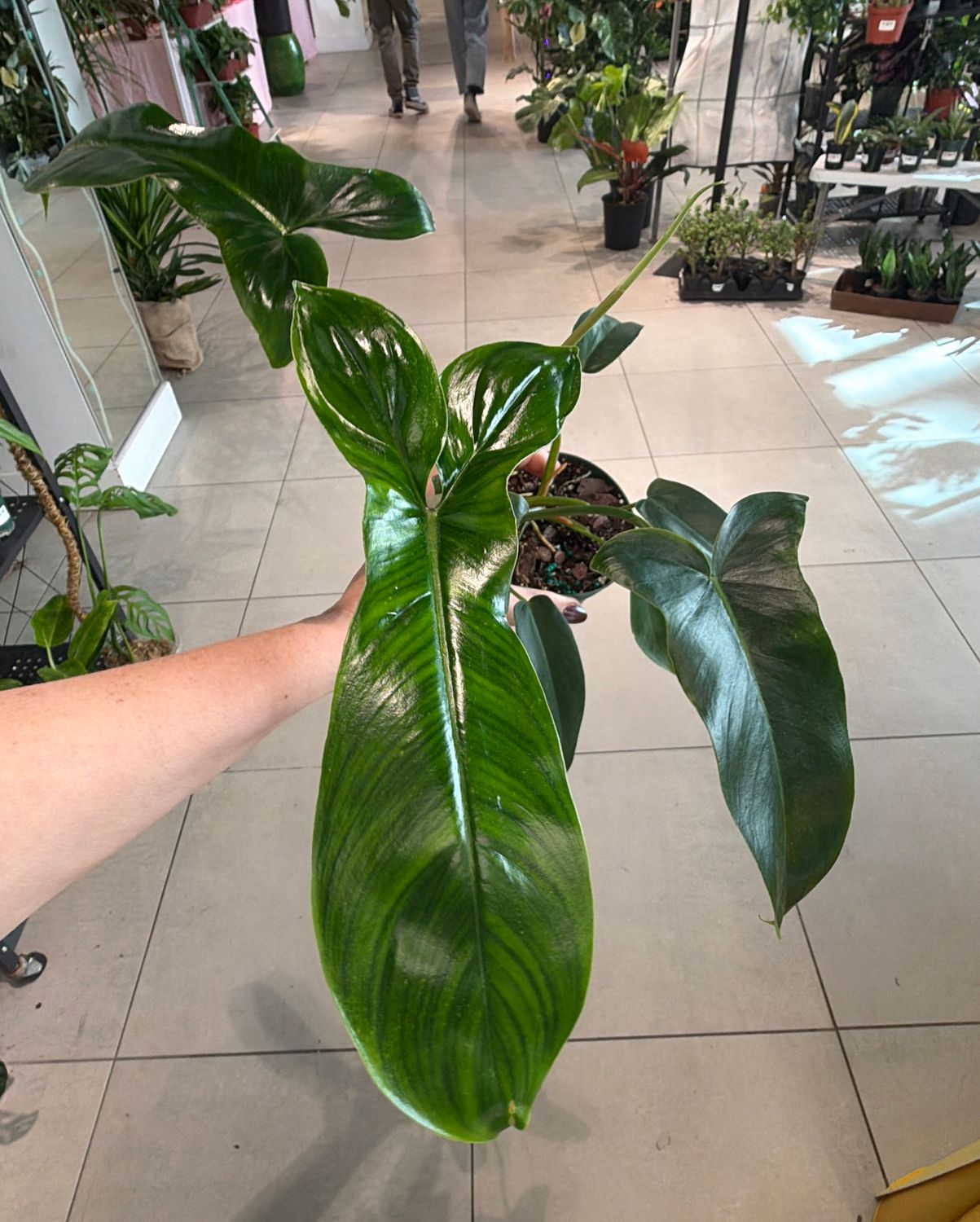
Philodendron ‘Bette Waterbury’ is an unusual climbing Philodendron known for its distinctive deeply lobed green leaves. As the plant matures, the foliage develops a long, narrow central lobe with spreading side lobes, creating a dramatic shape that is sometimes described as resembling rabbit or bunny ears. Its unique foliage and vigorous climbing habit make it a great choice for collectors and anyone looking for a more unusual Philodendron.
The proper name is Philodendron ‘Bette Waterbury’. The plant was previously circulated primarily as Philodendron 69686, which comes from the voucher number Croat 69686 assigned to the plant at the Missouri Botanical Garden. The cultivar name ‘Bette Waterbury’ was formally established in 2022 in honor of Bette Waterbury, who introduced the plant into cultivation in the United States after receiving it from the collection of Brazilian landscape architect and plant collector Roberto Burle Marx. Its exact parentage and original wild provenance remain unknown, although it is believed to be a hybrid.
Care
Philodendron ‘Bette Waterbury’ does best in bright, indirect light. Plenty of filtered light helps encourage stronger growth and larger, more mature foliage. Avoid prolonged harsh direct sun, which can scorch the leaves. (RHS)
Water thoroughly when the top inch or two of soil feels dry and allow excess water to drain. Avoid keeping the soil constantly wet, as Philodendrons are susceptible to root problems when overwatered or left sitting in water. (RHS)
Use a well-draining, chunky potting mix and a pot with drainage. A mixture containing houseplant soil, orchid bark, perlite, and coco coir works well to provide both moisture retention and airflow around the roots. Philodendrons generally perform best in loose, free-draining growing media. (RHS)
Philodendron ‘Bette Waterbury’ prefers warm temperatures and moderate to high humidity. It can adapt to normal household humidity but appreciates additional humidity when available. Keep it away from cold drafts, heating vents, and sudden temperature changes. (RHS)
This is a climbing Philodendron, so providing a moss pole, coco pole, plank, or other support will allow it to climb naturally. Its leaves can become significantly larger and more impressive as the plant matures and climbs.
Pet Safety
Philodendron plants are toxic to pets if ingested because they contain insoluble calcium oxalate crystals. Keep them away from cats, dogs, and small children. (aspca.org)
Powered by Lightspeed
Display prices in:USD