Upcoming : Halloween Terrarium Workshop Tuesday Oct. 13 @ 6 pm / Garden Stone Painting Night Tuesday Oct. 20 @ 6 pm / Dried Floral Book Workshop Thursday Oct 29 @ 6 pm / Moss Art Sunday Nov. 1 @ 2 pm
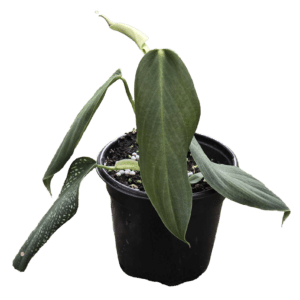
4" Philodendron Gigas
Share
$30.00
Buy and save
Buy and earn $1.50 Loyalty for your next purchase
Loyalty is a discount program that lets you buy products and earn points to redeem on your next purchase. Your Loyalty balance is updated when you pay online or in-store. The Loyalty amount shown on this page can be recalculated at the checkout.
In stock: 2 available
4" Philodendron Gigas
Share
Delivery information
Shipping: 4–8 days
Pickup: tomorrow, 11:00 AM–07:00 PM
Product details
Brand: Plant
Philodendron Gigas
Philodendron Gigas is a rare tropical climbing plant known for its large, velvety dark green leaves with striking lighter green veining. New foliage often emerges in beautiful shades of bronze or copper before gradually deepening to rich green as it matures. Its dramatic foliage and vigorous climbing habit make it a favorite among aroid collectors and an impressive choice for moss poles, plant walls, and bright indoor spaces.
The proper botanical name is Philodendron gigas. It is a naturally occurring species native to Panama, where it grows as a climbing hemiepiphyte in tropical forests. The name gigas, meaning “giant,” is fitting because mature plants can develop exceptionally large foliage when given the right conditions and something to climb.
Care
Philodendron Gigas does best in bright, indirect light. Plenty of filtered light encourages faster growth and helps the plant develop larger, more mature foliage. Avoid prolonged harsh direct sunlight, which can scorch its velvety leaves.
Water thoroughly when the top inch or two of soil feels dry and allow excess water to drain. Philodendron Gigas prefers lightly moist soil during active growth but should not remain consistently wet. Avoid allowing the plant to sit in standing water.
Use a well-draining, chunky potting mix and a pot with drainage. A mixture containing houseplant soil, orchid bark, perlite, and coco coir works well and provides the combination of moisture retention and airflow that its roots prefer.
Philodendron Gigas prefers warm temperatures and moderate to high humidity. Higher humidity can encourage larger leaves and help keep its velvety foliage looking its best. It can adapt to typical household conditions but appreciates additional humidity when available. Keep it away from cold drafts, heating vents, and air conditioning.
This plant has a strong climbing growth habit and should be given a moss pole, coco pole, plank, or other sturdy support. Allowing it to climb is one of the best ways to encourage increasingly large, mature leaves. Its stems can grow quickly under favorable conditions, so providing support early will help the plant develop its most impressive form.
Pet Safety
Philodendron Gigas is toxic to cats and dogs if ingested. Like other Philodendrons, it contains insoluble calcium oxalate crystals that can cause irritation of the mouth and digestive tract. Keep it away from pets and small children.
Powered by Lightspeed
Display prices in:USD