Upcoming : Dried Floral Book Workshop Thursday Oct 29 @ 6 pm / Moss Art Sunday Nov. 1 @ 2 pm / Stained Glass Class Sunday Nov 29 @ 2pm
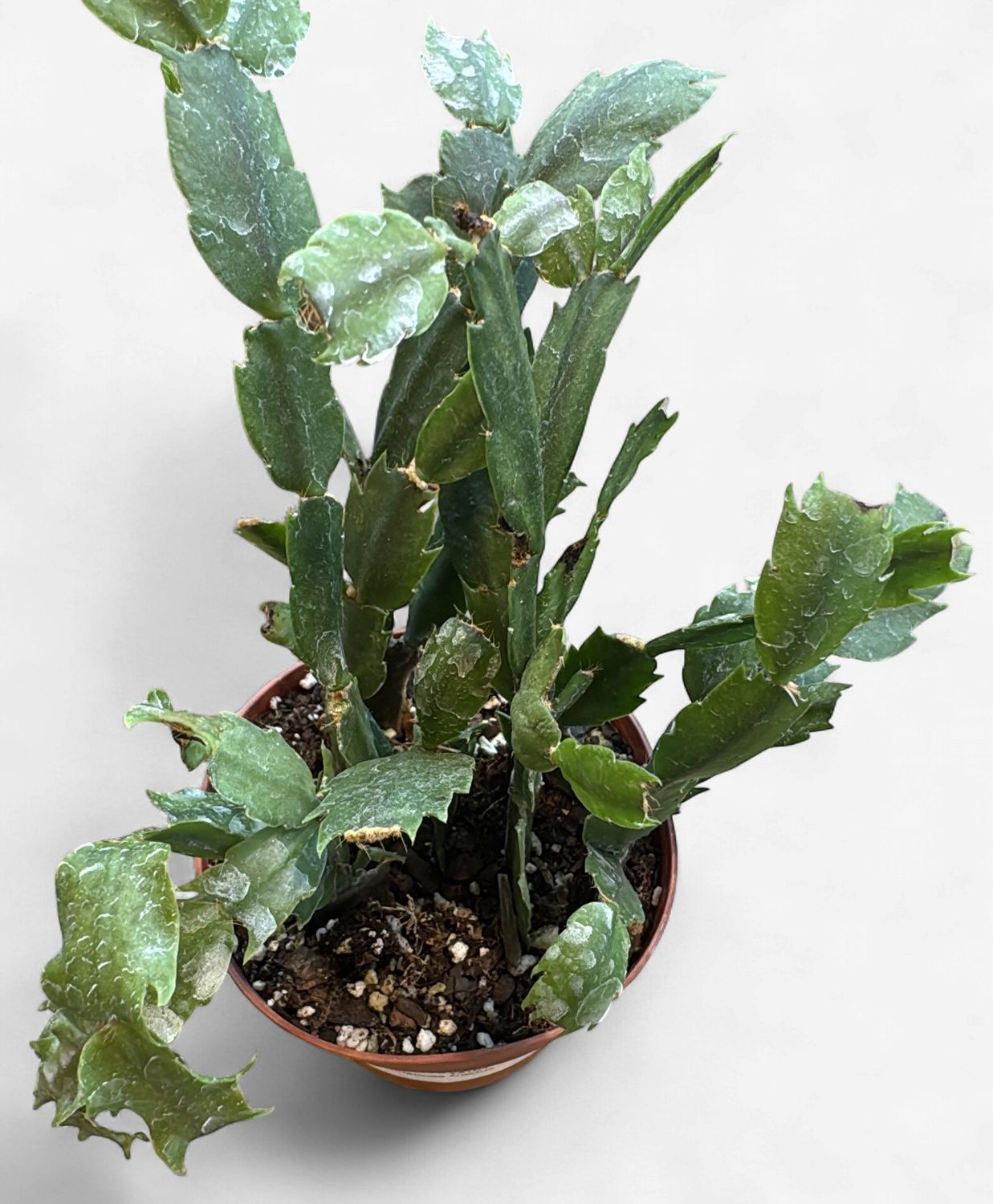
4" Thanksgiving Cactus
Share
$9.00
Buy and save
Buy and earn $0.45 Loyalty for your next purchase
Loyalty is a discount program that lets you buy products and earn points to redeem on your next purchase. Your Loyalty balance is updated when you pay online or in-store. The Loyalty amount shown on this page can be recalculated at the checkout.
In stock: 30 available
4" Thanksgiving Cactus
Share
Delivery information
Shipping: 5–9 days
Pickup: in 2 days
Product details
Brand: Plant
Thanksgiving Cactus
Thanksgiving Cactus is a beautiful tropical flowering cactus prized for its flattened, segmented green stems and vibrant, colorful blooms. Unlike traditional desert cacti, this plant develops graceful, arching stems made up of distinctive leaf-like segments with pointed, claw-shaped edges. During the fall and early winter, it produces stunning tubular flowers in shades of pink, red, purple, orange, peach, or white. Its cascading growth habit and seasonal blooms make it an excellent choice for hanging baskets, shelves, windowsills, and holiday plant displays.
The proper botanical name is Schlumbergera truncata, although it is commonly called Thanksgiving Cactus, Crab Cactus, or Holiday Cactus. Native to the tropical forests of Brazil, this species naturally grows as an epiphyte on trees and occasionally on rocks. It is frequently confused with Christmas Cactus, but Thanksgiving Cactus has more pointed, claw-like stem segments, while true Christmas Cactus typically has smoother, rounded edges.
Care
Thanksgiving Cactus does best in bright, indirect light. It can tolerate some gentle morning sunlight, which may help encourage healthy growth and flowering. Avoid prolonged harsh afternoon sunlight, which can cause the stem segments to become stressed, yellowed, or scorched.
Water when the top inch or two of the potting mix begins to feel dry, then water thoroughly and allow excess water to drain. Unlike desert cacti, Thanksgiving Cactus prefers somewhat consistent moisture during active growth and flowering. Avoid allowing the plant to remain completely dry for extended periods, but never leave the roots sitting in soggy soil. Reduce watering slightly when growth slows.
Use a light, airy, and well-draining potting mix in a container with drainage. A combination of quality houseplant soil or coco coir, fine orchid bark, and perlite or pumice works well. As a naturally epiphytic cactus, it appreciates good airflow around its roots while retaining enough moisture to support healthy growth.
Thanksgiving Cactus prefers mild to warm temperatures and moderate humidity. It adapts well to typical indoor conditions, although additional humidity can help prevent shriveled stem segments and premature flower bud drop. Protect it from freezing temperatures, cold drafts, and sudden environmental changes, particularly while flower buds are developing.
This plant develops a branching, arching to cascading growth habit, with flattened green stem segments that gradually extend over the sides of its container. Although these segments resemble leaves, they are actually modified stems. Light pruning after flowering can encourage fuller growth and additional branching. Healthy stem segments can also be rooted to propagate new plants.
Thanksgiving Cactus is especially valued for its seasonal flowering during the fall and early winter. Blooming is encouraged by a combination of longer, uninterrupted nights and cooler temperatures, typically around 55–65°F. Providing approximately 12–14 hours of darkness each night for several weeks can help initiate flower buds. Once buds appear, maintain consistent conditions and avoid frequently moving the plant, as sudden changes in temperature, lighting, or watering can cause buds to drop.
Pet Safety
Thanksgiving Cactus is generally considered pet-friendly and non-toxic to cats and dogs. However, consuming large amounts of the stems or flowers may still cause mild digestive upset, including vomiting or diarrhea. Discouraging pets from chewing on the plant is recommended.
Powered by Lightspeed
Display prices in:USD