Upcoming : Halloween Terrarium Workshop Tuesday Oct. 13 @ 6 pm / Garden Stone Painting Night Tuesday Oct. 20 @ 6 pm / Dried Floral Book Workshop Thursday Oct 29 @ 6 pm / Moss Art Sunday Nov. 1 @ 2 pm
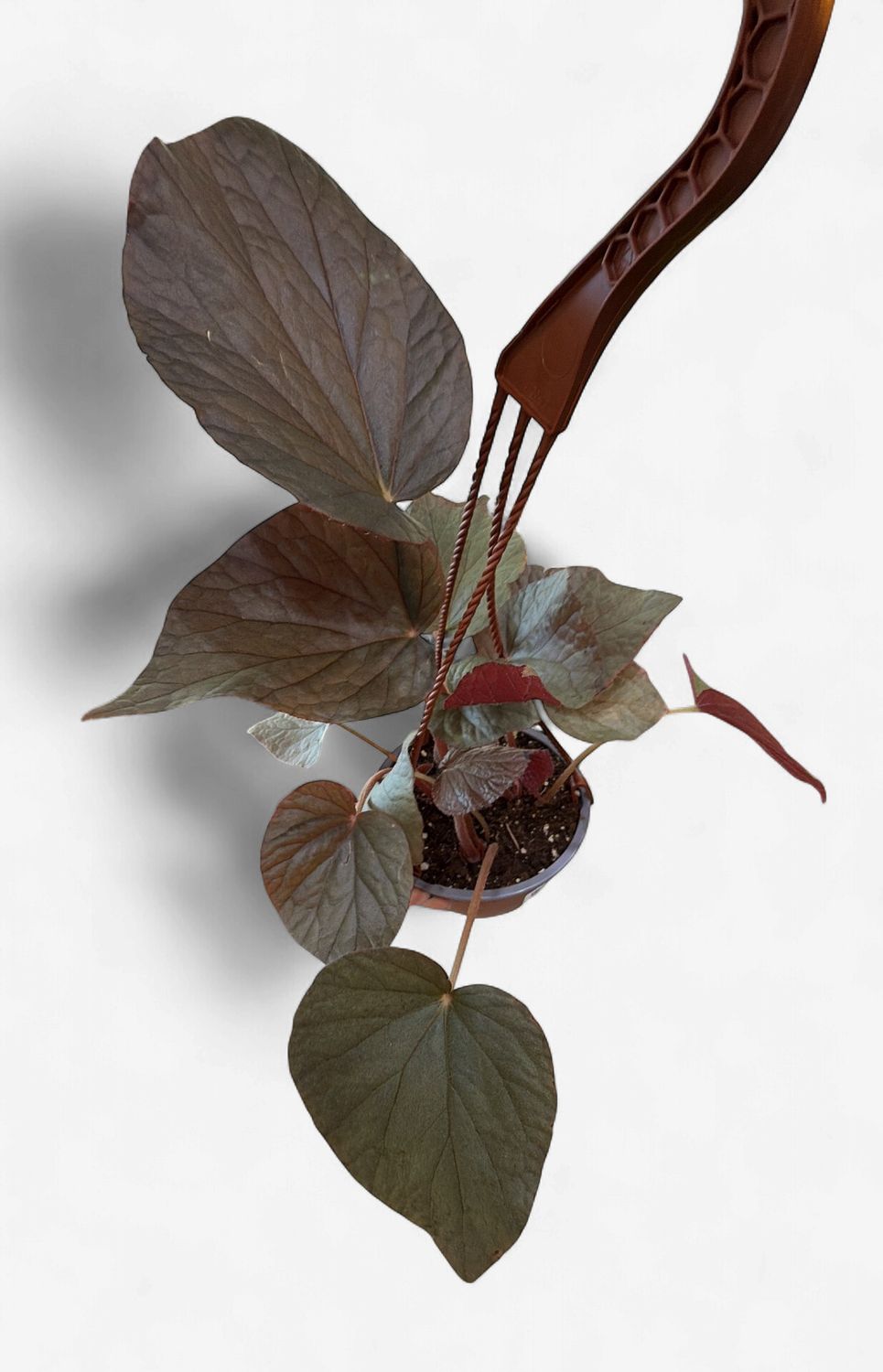
6" Begonia U508 Hanging Basket
Share
$16.00
Buy and save
Buy and earn $0.80 Loyalty for your next purchase
Loyalty is a discount program that lets you buy products and earn points to redeem on your next purchase. Your Loyalty balance is updated when you pay online or in-store. The Loyalty amount shown on this page can be recalculated at the checkout.
In stock: 1 available
6" Begonia U508 Hanging Basket
Share
Delivery information
Shipping: 4–8 days
Pickup: tomorrow, 11:00 AM–07:00 PM
Product details
Brand: Plant
Begonia U508
Begonia U508 is a rare collector Begonia prized for its dramatic, heavily textured foliage and unusual tropical appearance. Its leaves feature rich green tones with pronounced veining and a deeply sculpted or bullate surface that gives the plant exceptional texture and dimension. The rugged foliage makes U508 especially appealing to collectors of unusual species and unidentified Begonias and an excellent addition to terrariums, plant cabinets, and specialty Begonia collections.
This plant is commonly identified as Begonia U508. The “U” designation is used for Begonias that have entered cultivation but have not yet been confidently identified or formally described under a recognized species name. Until its botanical identity is resolved, U508 serves as the horticultural identifier that allows growers and collectors to distinguish this particular Begonia from other unidentified selections.
Care
Begonia U508 does best in medium to bright, indirect light. Plenty of filtered light encourages healthy, compact growth while protecting its textured foliage from scorching. Avoid prolonged direct sunlight, particularly intense afternoon sun.
Water when the upper layer of the potting mix begins to dry, keeping the soil lightly and consistently moist without allowing it to become soggy. This Begonia generally performs better when it is not allowed to remain completely dry for extended periods. Always allow excess water to drain freely.
Use a light, airy and well-draining potting mix that retains some moisture while providing excellent airflow around the roots. A mixture containing coco coir or quality houseplant soil, perlite or pumice, and fine orchid bark works well. A loose Begonia or African Violet-style mix can also be suitable.
Begonia U508 prefers warm temperatures and moderate to high humidity. It can especially benefit from the stable humidity provided by a plant cabinet or terrarium-style environment. Good airflow remains important in high humidity to reduce the risk of fungal problems and damaged foliage.
This plant generally develops a compact to spreading growth habit and is grown primarily for its unusual foliage. Older or damaged leaves can be removed at the base as needed. Its heavily textured leaves may look tough, but new growth can be delicate and should be handled carefully.
Pet Safety
Begonia U508 should be considered toxic to cats and dogs if ingested. Begonias contain soluble oxalates that can cause irritation of the mouth and digestive tract. The underground portions typically contain the highest concentrations, but pets should be prevented from chewing any part of the plant.
Powered by Lightspeed
Display prices in:USD