Upcoming : Halloween Terrarium Workshop Tuesday Oct. 13 @ 6 pm / Garden Stone Painting Night Tuesday Oct. 20 @ 6 pm / Dried Floral Book Workshop Thursday Oct 29 @ 6 pm / Moss Art Sunday Nov. 1 @ 2 pm
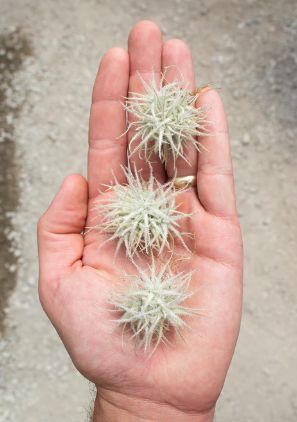
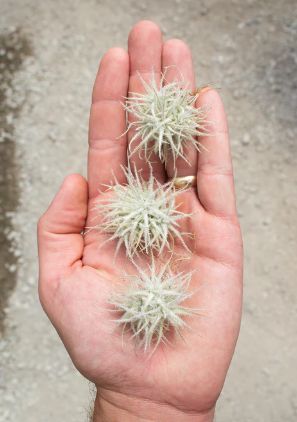
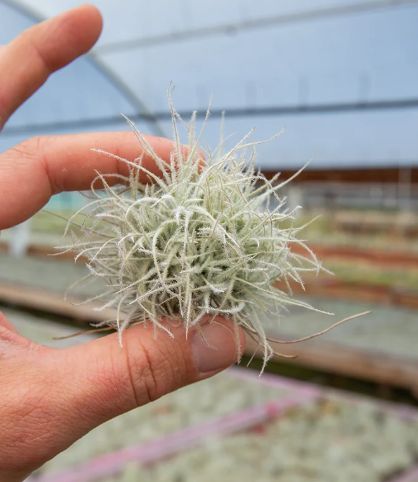
Tillandsia Tectorum Snowball Air Plant 2-3"
Share
$6.00
Buy and save
Buy and earn $0.30 Loyalty for your next purchase
Loyalty is a discount program that lets you buy products and earn points to redeem on your next purchase. Your Loyalty balance is updated when you pay online or in-store. The Loyalty amount shown on this page can be recalculated at the checkout.
In stock: 6 available
Tillandsia Tectorum Snowball Air Plant 2-3"
Share
Delivery information
Shipping: 5–8 days
Pickup: tomorrow, 06:30 PM–07:00 PM
Product details
Brand: Air Plant
Tillandsia Tectorum
Tillandsia Tectorum is one of the most distinctive air plants, prized for its bright silvery-white appearance and exceptionally fuzzy foliage. Its narrow leaves are densely covered with large, feathery trichomes that give the plant an almost snow-covered appearance. These specialized structures help it capture moisture from the air and protect it from intense sunlight in its naturally dry environment. Its unusual texture and compact, sculptural form make it an excellent choice for driftwood, cork, decorative holders, and specialty air plant collections.
The proper botanical name is Tillandsia tectorum. It is a naturally occurring species native to dry regions of Ecuador and Peru, where it can grow exposed to intense sunlight and limited rainfall. Like other Tillandsias, it is an epiphyte or lithophyte, using its roots primarily for anchoring rather than absorbing water and nutrients from soil.
Care
Tillandsia Tectorum does best in very bright, indirect light and can tolerate more direct sunlight than many greener Tillandsias. Some gentle direct morning or late-afternoon sun can help maintain strong, compact growth and its dense silvery covering. Introduce stronger sunlight gradually to prevent scorching.
Unlike many air plants, Tillandsia Tectorum prefers less frequent watering and faster drying conditions. Thoroughly wet or briefly soak the plant approximately every 1–2 weeks, adjusting for temperature, humidity, and airflow. Avoid prolonged soaking. After watering, gently shake away excess moisture and place the plant in strong airflow so it can dry completely within a few hours. Its dense trichomes hold moisture efficiently, so remaining wet for extended periods can lead to rot.
Tillandsia Tectorum should never be planted in traditional soil. Display it on cork, wood, stone, wire, or another open surface where air can circulate freely around the entire plant. Avoid enclosed containers and holders that trap water around its base.
This species prefers warm temperatures, relatively low to moderate humidity, and excellent airflow. It is especially well suited to brighter and drier indoor environments compared with many tropical air plants. Its fuzzy trichomes should not be rubbed or scrubbed, as damaging them can permanently affect the plant's characteristic appearance.
Tillandsia Tectorum is a slow-growing air plant. Mature specimens can produce an upright flower spike followed by offsets, commonly called pups. After flowering, the mother plant gradually declines while producing new plants around its base. The pups can remain attached to form a larger cluster or be separated once they are well established.
Pet Safety
Tillandsia Tectorum is generally considered pet-friendly and non-toxic to cats and dogs. As with other air plants, chewing may damage the plant and consuming plant material can occasionally cause mild digestive upset, so keeping it away from curious pets is still recommended.
Powered by Lightspeed
Display prices in:USD