Upcoming Events: Tissue Culture Workshop Oct 3 @ 11 am / Succulent Pumpkin Workshop Oct 4 @ 2 pm / Plant Swap Oct. 10 @ 10 am / Stained Glass Workshop Sunday Oct. 11th @ 2 pm
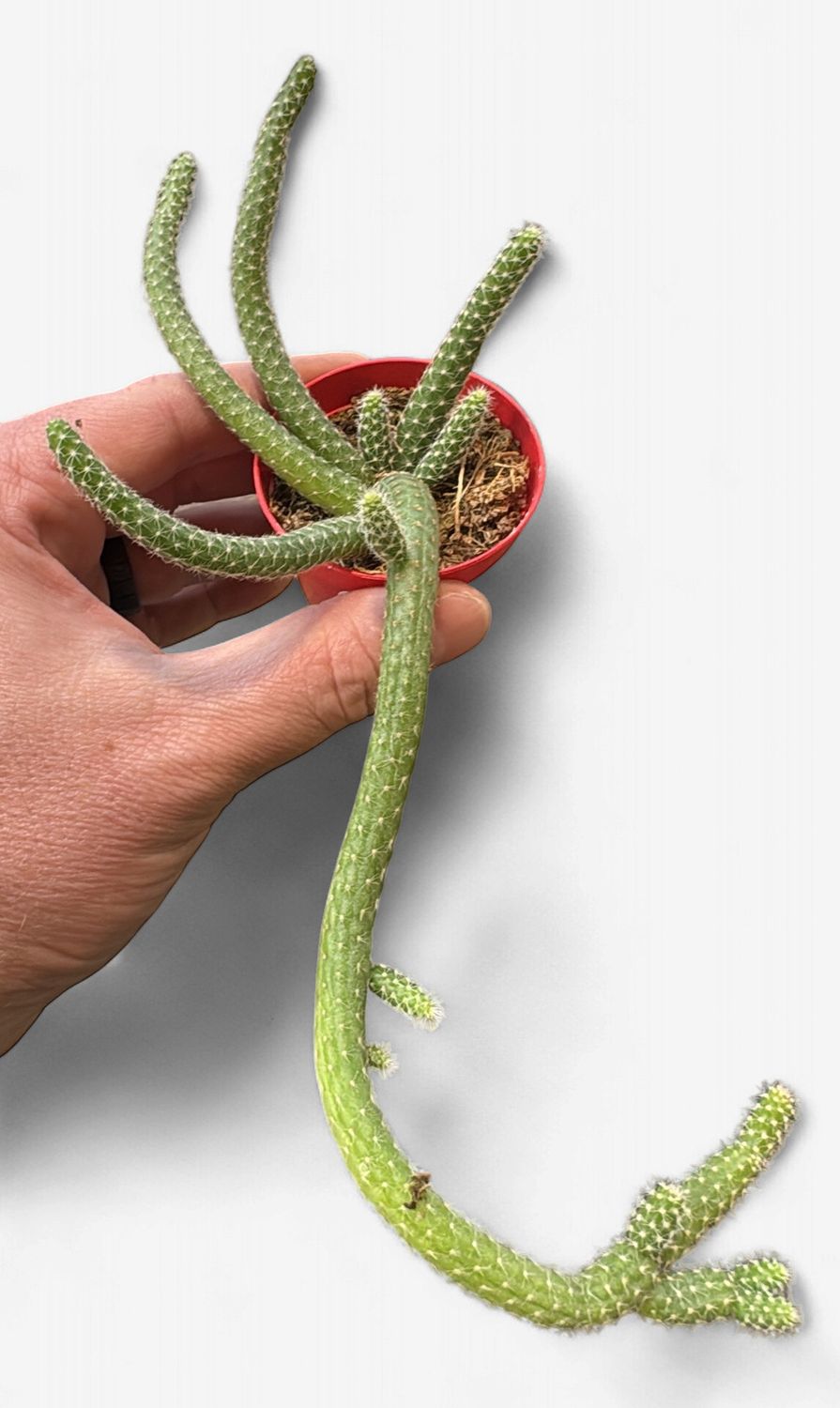
2" Cactus -Chamaecereus Luisramirezii-
Share
$7.00
Buy and save
Buy and earn $0.35 Loyalty for your next purchase
Loyalty is a discount program that lets you buy products and earn points to redeem on your next purchase. Your Loyalty balance is updated when you pay online or in-store. The Loyalty amount shown on this page can be recalculated at the checkout.
In stock: 17 available
2" Cactus -Chamaecereus Luisramirezii-
Share
Product details
Brand: Plant
Chamaecereus Luisramirezii
Chamaecereus Luisramirezii is an unusual collector cactus prized for its compact growth, slender finger-like stems, and dense clusters that become increasingly impressive as the plant matures. Its sculptural growth makes it attractive even when it is not flowering, while mature plants can produce bright, showy blooms that provide a dramatic contrast against the green stems.
The proper botanical name is Chamaecereus luisramirezii. It belongs to a group of small South American cacti known for producing branching, clustering stems and colorful flowers. Chamaecereus has also been treated within the broader genus Echinopsis, so plants in this group may occasionally appear under different botanical classifications in the cactus trade.
Care
Chamaecereus Luisramirezii does best in very bright light with several hours of direct sunlight. Indoors, place it near a bright, sunny window. Strong light encourages compact growth and flowering, but plants previously grown in filtered conditions should be gradually acclimated to intense direct sun to prevent scorching.
Allow the potting mix to dry completely between waterings, then water thoroughly and allow all excess water to drain. During warm periods of active growth, it can be watered more regularly once the soil has dried. Reduce watering considerably during cooler months and periods of dormancy.
Use a very well-draining, gritty cactus or succulent potting mix in a container with drainage. A mixture containing pumice, perlite, lava rock, coarse sand, or other mineral amendments works well. Excellent drainage is important because prolonged moisture around the roots can quickly lead to rot.
Chamaecereus Luisramirezii prefers warm temperatures and low humidity with good airflow during active growth. A cooler and considerably drier winter rest can help support its natural growth cycle and may encourage stronger flowering when active growth resumes.
This cactus develops a branching and clumping growth habit, gradually producing additional stems around the original plant. Established specimens can form dense colonies that spread across the surface of the container. It can be propagated from offsets or stem sections after the cut surface has been allowed to callus before planting.
Pet Safety
Chamaecereus Luisramirezii is not generally considered a highly toxic cactus, but species-specific pet toxicity information is limited. Its spines can cause painful injuries to the mouth, paws, eyes, or skin, and eating plant material may cause digestive irritation. Keep it positioned where pets and small children cannot easily chew or handle the plant.
Powered by Lightspeed
Display prices in:USD