Upcoming Events: Tissue Culture Workshop Oct 3 @ 11 am / Succulent Pumpkin Workshop Oct 4 @ 2 pm / Plant Swap Oct. 10 @ 10 am / Stained Glass Workshop Sunday Oct. 11th @ 2 pm
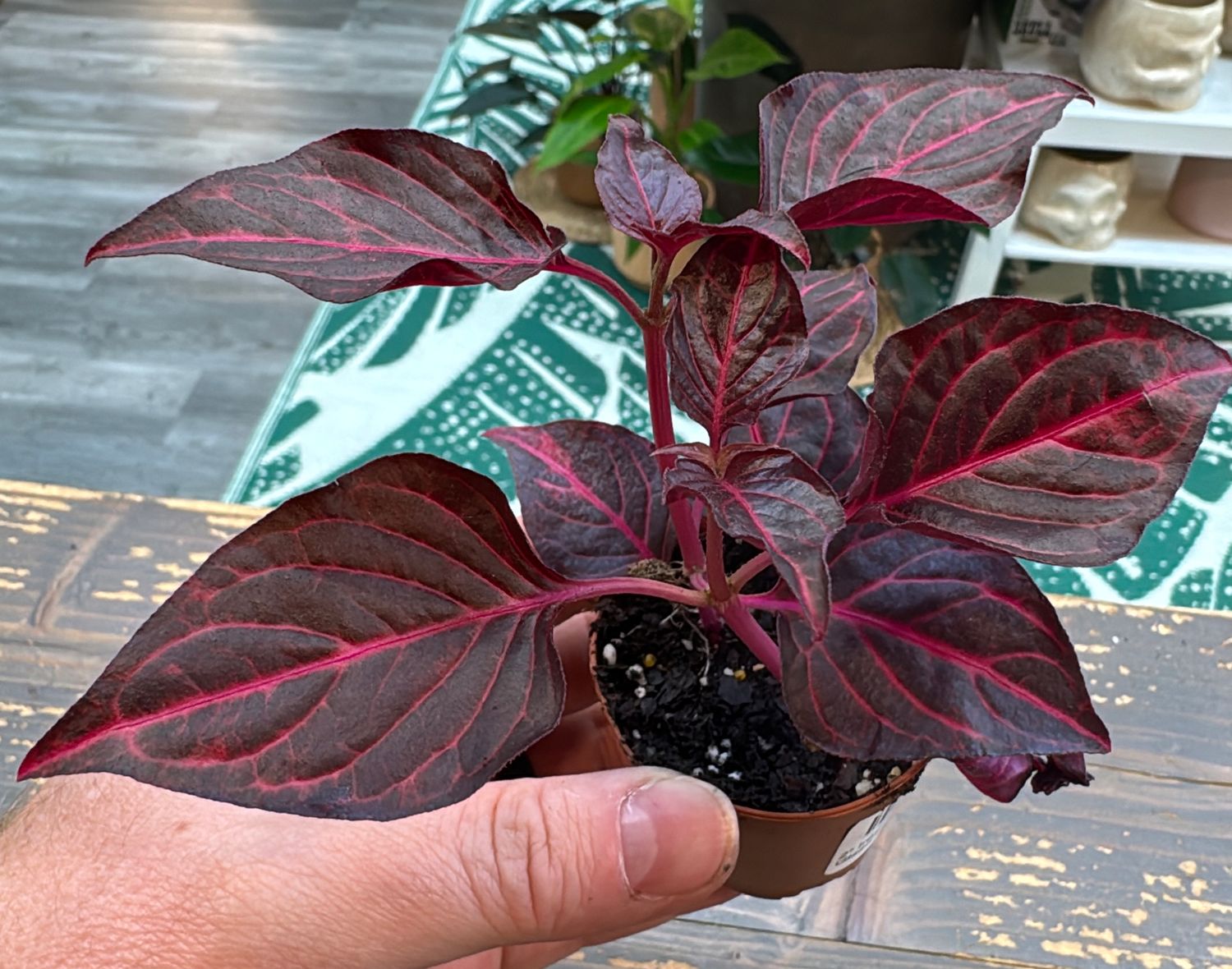
2" Iresine Chicken Gizzard
$4.00
Buy and save
Buy and earn $0.20 Loyalty for your next purchase
Loyalty is a discount program that lets you buy products and earn points to redeem on your next purchase. Your Loyalty balance is updated when you pay online or in-store. The Loyalty amount shown on this page can be recalculated at the checkout.
In stock: 29 available
2" Iresine Chicken Gizzard
Product Details
Brand: Plant
Iresine Chicken Gizzard
Iresine Chicken Gizzard is a colorful tropical foliage plant known for its bright leaves and bold contrasting veins. Its foliage typically combines shades of green, yellow, cream, pink, red, and burgundy, creating a highly variegated appearance that becomes especially vibrant in strong light. Its compact, branching growth makes it an eye-catching choice for containers, mixed plantings, and bright indoor spaces.
Commonly called Chicken Gizzard Plant, this colorful Iresine is generally grown as a cultivated form of Iresine herbstii, a tropical species in the Amaranthaceae family. Iresine plants are also commonly called Bloodleaf because of the intense red and burgundy coloration found in many varieties. The unusual Chicken Gizzard name refers to the plant’s distinctive puckered, colorful foliage.
Care
Iresine Chicken Gizzard does best in bright, indirect light with some gentle direct sunlight. Plenty of light is important for maintaining its strongest pink, red, yellow, and burgundy coloration. In lower light, the foliage may become greener and the stems can become stretched. Avoid suddenly exposing an indoor-grown plant to intense afternoon sun.
Water when the top inch of soil begins to feel dry, then water thoroughly and allow excess water to drain. Iresine prefers relatively consistent moisture and may wilt noticeably when allowed to become too dry. Avoid keeping the soil constantly soggy, which can lead to root problems.
Use a light, well-draining potting mix that retains some moisture. A quality indoor potting mix amended with perlite or fine orchid bark works well. Containers should always have adequate drainage.
Iresine Chicken Gizzard prefers warm temperatures and moderate to high humidity. It grows best when protected from cold drafts and sudden temperature changes. This is a tropical plant and should be protected from frost and prolonged chilly conditions.
This plant develops a fast-growing, upright, and branching habit. Regularly pinching or pruning the growing tips encourages additional branching and helps maintain a dense, bushy shape. If stems become tall or leggy, they can be cut back and the healthy cuttings can be easily propagated to create new plants.
Pet Safety
Iresine is generally considered non-toxic to cats and dogs. However, species-specific pet-safety information for individual Iresine cultivars is limited, and eating a large amount of plant material may still cause digestive upset. It is best to discourage pets from chewing on the foliage.
Powered by Lightspeed
Display prices in:USD