Upcoming Events: Tissue Culture Workshop Oct 3 @ 11 am / Succulent Pumpkin Workshop Oct 4 @ 2 pm / Plant Swap Oct. 10 @ 10 am / Stained Glass Workshop Sunday Oct. 11th @ 2 pm
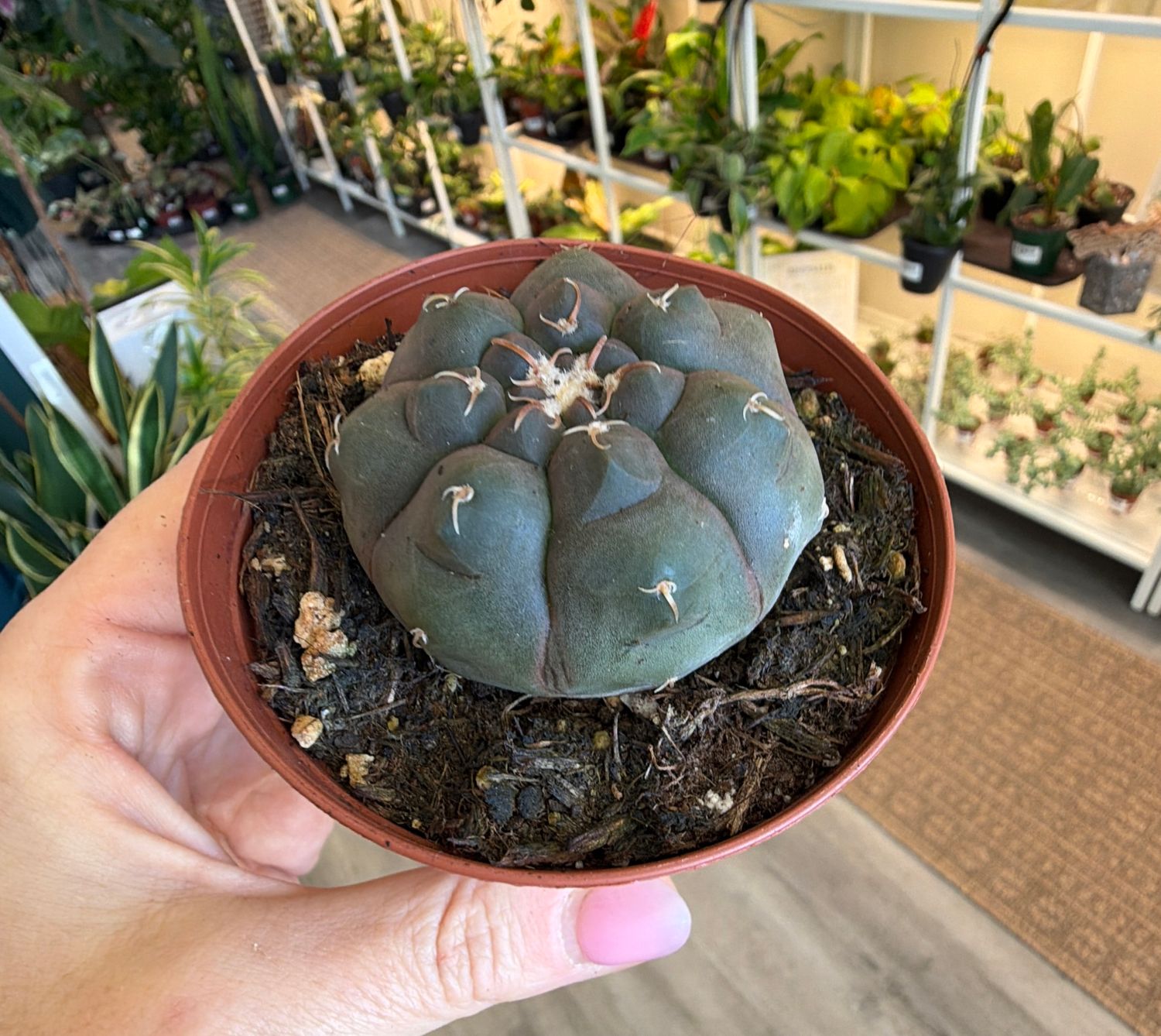
3" Gymnocalycium Lukasikii
$15.00
Buy and save
Buy and earn $0.75 Loyalty for your next purchase
Loyalty is a discount program that lets you buy products and earn points to redeem on your next purchase. Your Loyalty balance is updated when you pay online or in-store. The Loyalty amount shown on this page can be recalculated at the checkout.
In stock: 1 available
3" Gymnocalycium Lukasikii
Product Details
Brand: Plant
Gymnocalycium lukasikii
Gymnocalycium lukasikii is a compact, collectible cactus prized for its rounded, ribbed body and distinctive arrangement of spines. Its body can range from green and gray-green to darker or slightly bronze tones depending on growing conditions, with pronounced ribs divided into sculptural sections. Mature plants may also produce attractive funnel-shaped flowers from the crown, creating a striking contrast against the heavily textured cactus body.
The proper botanical name is Gymnocalycium lukasikii. It belongs to Gymnocalycium, a South American genus commonly known as Chin Cacti because of the characteristic chin-like projections found beneath the areoles of many species. Gymnocalyciums are especially popular among cactus collectors for their manageable size, unusual body coloration, and relatively large flowers.
Care
Gymnocalycium lukasikii does best in very bright light with some direct sunlight. Gentle morning or late-afternoon sun is ideal, while protection from extremely intense midday or afternoon sun can help prevent scorching, particularly for plants grown indoors or in filtered light.
Allow the potting mix to dry completely between waterings, then water thoroughly and allow excess water to drain. During active growth, water when the plant is fully dry rather than following a strict schedule. Reduce watering considerably during cooler months when growth slows.
Use a very well-draining, gritty cactus mix in a container with drainage. A mixture containing pumice, perlite, lava rock, coarse mineral grit, and a smaller amount of organic material works well. Avoid dense soil that remains wet around the roots.
Gymnocalycium lukasikii prefers warm temperatures and low humidity during active growth, along with good airflow. Many Gymnocalyciums benefit from a cooler, drier winter rest, which can support healthy seasonal growth and flowering. Protect the plant from freezing conditions.
This cactus develops a compact, rounded growth habit and remains relatively manageable in size. Growth is generally slow, making it well suited for windowsills and cactus collections. Mature, healthy specimens can produce flowers from the upper portion of the plant during the growing season.
Pet Safety
Gymnocalycium lukasikii is not generally considered highly toxic to cats or dogs, but species-specific pet toxicity information is limited. Its spines can cause physical injury, and eating cactus tissue may result in digestive irritation. Keep it out of reach of pets and small children.
Powered by Lightspeed
Display prices in:USD