Upcoming Events: Tissue Culture Workshop Oct 3 @ 11 am / Succulent Pumpkin Workshop Oct 4 @ 2 pm / Plant Swap Oct. 10 @ 10 am / Stained Glass Workshop Sunday Oct. 11th @ 2 pm
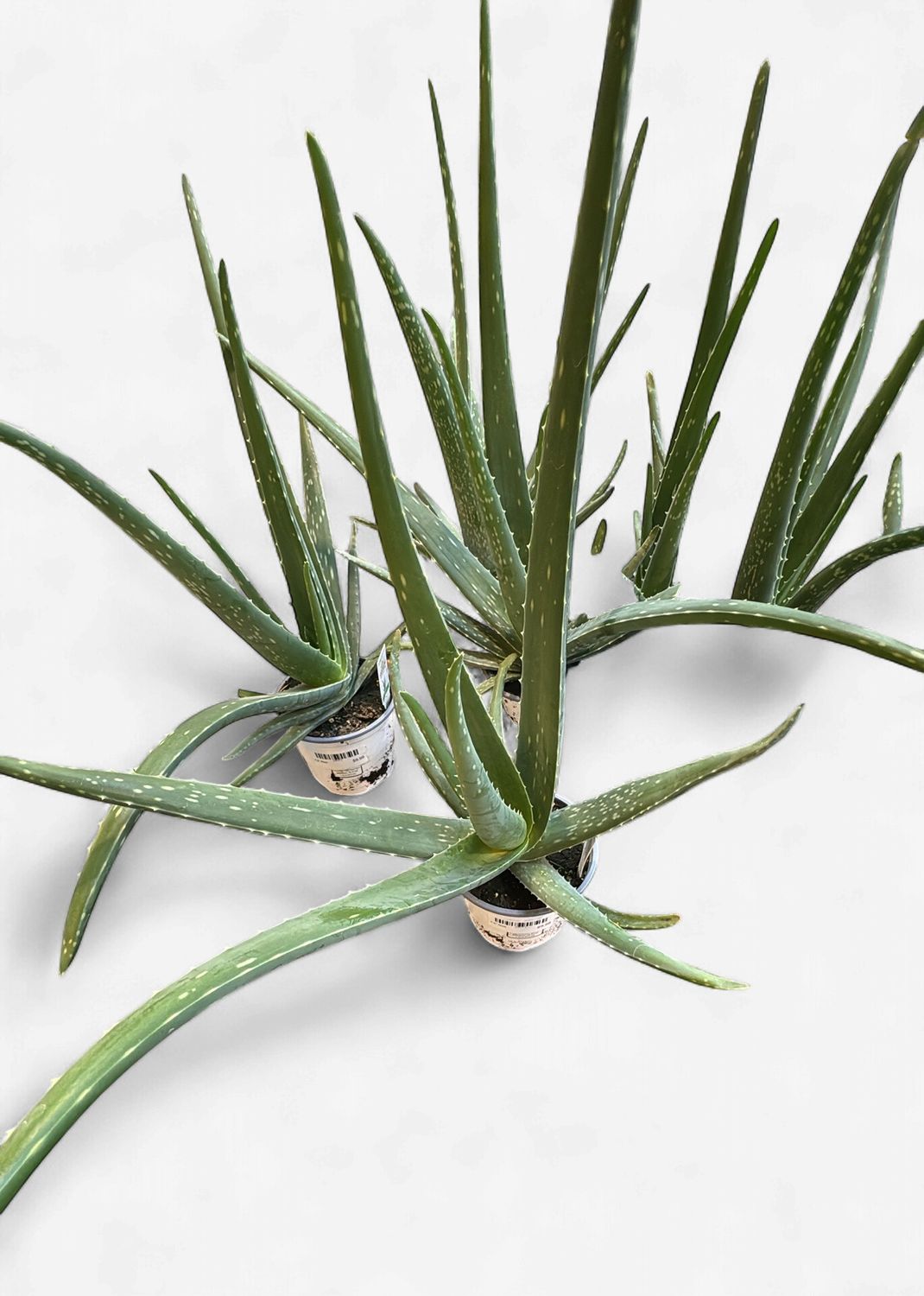
4.5" Aloe
$9.98
Buy and save
Buy and earn $0.49 Loyalty for your next purchase
Loyalty is a discount program that lets you buy products and earn points to redeem on your next purchase. Your Loyalty balance is updated when you pay online or in-store. The Loyalty amount shown on this page can be recalculated at the checkout.
In stock: 6 available
4.5" Aloe
Product Details
Brand: Plant
Aloe
Aloe is a distinctive succulent prized for its thick, fleshy leaves arranged in sculptural rosettes and its exceptionally easy-care nature. Depending on the species or variety, foliage can range from smooth green to blue-green, spotted, striped, textured, or edged with small teeth. Many Aloes also produce tall flower stalks covered with tubular flowers in shades of orange, red, yellow, or pink when mature and grown under favorable conditions.
Aloe is a genus containing hundreds of succulent species, with Aloe vera being the best-known. Other Aloes range from compact tabletop plants to large, branching specimens. Because individual species and hybrids can differ in size, appearance, and growing habits, this guide covers the general care requirements of commonly cultivated Aloe plants.
Care
Aloe does best in very bright light with several hours of direct sunlight. Indoors, place it near a bright, sunny window. Plants accustomed to lower light should be gradually introduced to stronger direct sun to prevent scorching. Insufficient light can cause stretched, weak, or pale growth.
Allow the potting mix to dry completely between waterings, then water thoroughly and allow all excess water to drain. Aloe stores water in its fleshy leaves and is much more susceptible to problems from overwatering than occasional drought. Reduce watering during cooler months or periods of slower growth.
Use a very well-draining cactus or succulent potting mix in a container with drainage. Adding pumice, perlite, lava rock, coarse sand, or other mineral amendments can improve drainage and airflow around the roots. Avoid dense soil that remains wet for extended periods.
Aloe prefers warm temperatures and low to moderate humidity. Average indoor humidity is generally suitable, and good airflow is beneficial. Protect plants from prolonged cold temperatures and especially from cold, wet conditions.
Most Aloes develop a rosette-forming growth habit, and many species eventually produce offsets or “pups” around the base of the parent plant. These can be left in place to create a larger cluster or separated once established to produce additional plants. Mature, well-lit Aloes may also produce tall flower stalks, although indoor flowering can be less frequent.
Pet Safety
Aloe should generally be considered toxic to cats and dogs if ingested. Aloe species can contain compounds in their sap and leaf tissues that may cause vomiting, diarrhea, lethargy, and other gastrointestinal symptoms. Keep Aloe plants out of reach of pets and small children, particularly if the exact species or hybrid is unknown.
Powered by Lightspeed
Display prices in:USD