Upcoming Events: Tissue Culture Workshop Oct 3 @ 11 am / Succulent Pumpkin Workshop Oct 4 @ 2 pm / Plant Swap Oct. 10 @ 10 am / Stained Glass Workshop Sunday Oct. 11th @ 2 pm
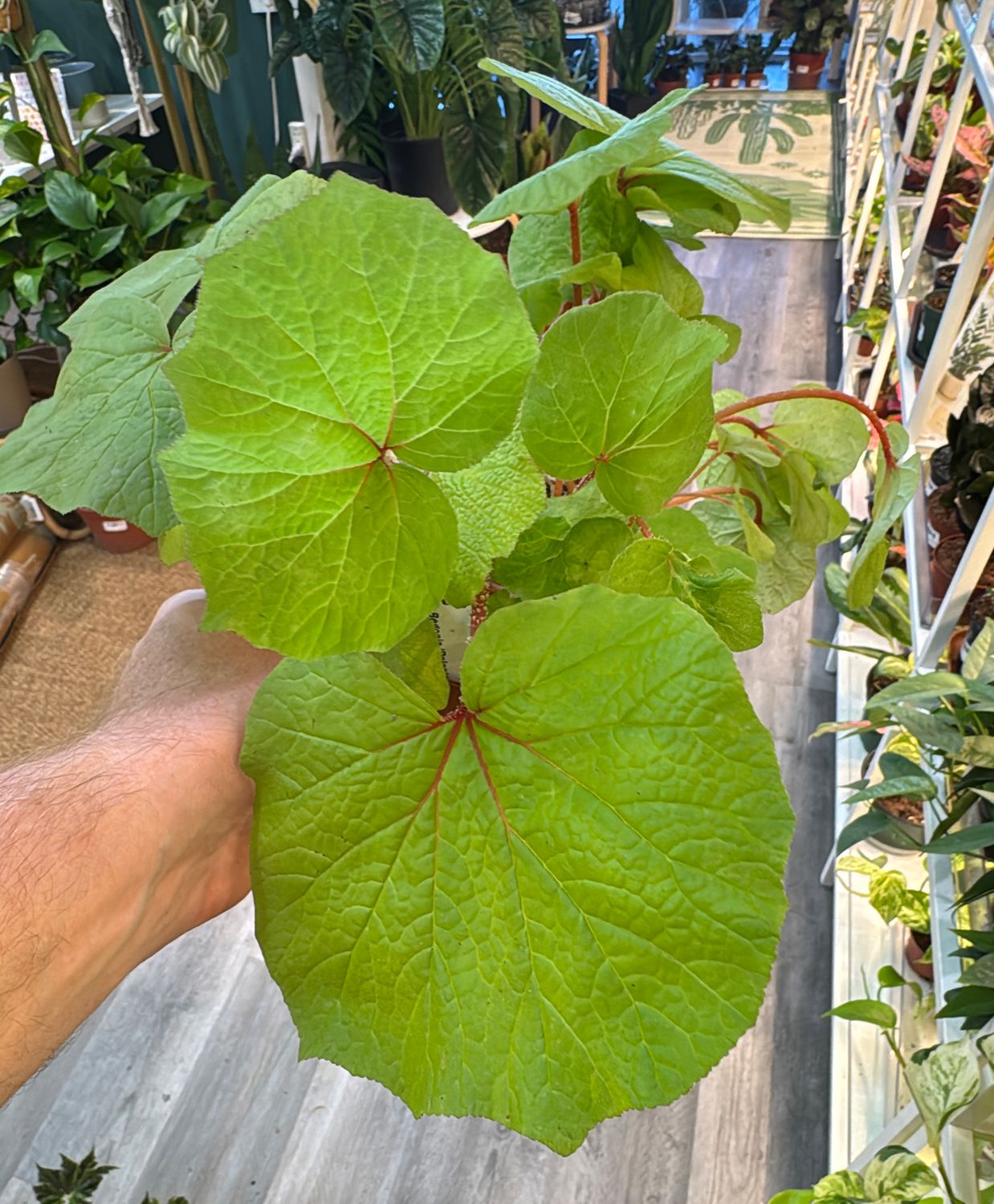
6" Begonia Paleata
$32.00
Buy and save
Buy and earn $1.60 Loyalty for your next purchase
Loyalty is a discount program that lets you buy products and earn points to redeem on your next purchase. Your Loyalty balance is updated when you pay online or in-store. The Loyalty amount shown on this page can be recalculated at the checkout.
In stock: 1 available
6" Begonia Paleata
Product Details
Brand: Plant
Begonia Paleata
Begonia Paleata is an unusual species Begonia prized for its textured green foliage, prominent veining, and distinctive hairy or scale-like growth along the leaves and stems. The foliage has a naturally rugged, botanical appearance that gives the plant plenty of character without relying on the intense coloration seen in many hybrid Begonias. Its combination of texture and compact tropical growth makes it an excellent choice for specialty Begonia collections and humid indoor displays.
The proper botanical name is Begonia paleata. Unlike many commercially available foliage Begonias that are cultivated hybrids, this is a naturally occurring Begonia species. Its species characteristics make it particularly appealing to collectors interested in unusual botanical Begonias.
Care
Begonia Paleata does best in medium to bright, indirect light. Good filtered light encourages compact growth and healthy foliage. Avoid prolonged direct sunlight, particularly intense afternoon sun, which can scorch the leaves.
Water when the top layer of the potting mix begins to feel slightly dry, then water thoroughly and allow excess water to drain. Keep the soil lightly and consistently moist during active growth without allowing it to remain soggy or waterlogged. Avoid allowing the plant to stay completely dry for extended periods.
Use a light, airy and well-draining potting mix in a container with drainage. A mixture containing quality houseplant soil or coco coir, perlite or pumice, and fine orchid bark works well. The roots appreciate consistent moisture combined with good airflow and drainage.
Begonia Paleata prefers warm temperatures and moderate to high humidity. Higher humidity can encourage healthy foliage, but good airflow is important to reduce the risk of fungal problems. Avoid leaving the textured leaves constantly wet, particularly in enclosed or poorly ventilated growing spaces.
This Begonia develops a compact to spreading growth habit and is grown primarily for its distinctive foliage and texture. Stable growing conditions are preferable to major fluctuations in temperature, humidity, or moisture. Remove damaged or declining leaves as needed to improve airflow and keep the plant tidy.
Pet Safety
Begonia Paleata is toxic to cats and dogs if ingested. Begonias contain soluble calcium oxalates, with higher concentrations typically found in the underground portions of the plant. Ingestion can cause irritation of the mouth and digestive tract, drooling, vomiting, or difficulty swallowing. Keep it out of reach of pets and small children.
Powered by Lightspeed
Display prices in:USD