Upcoming Events: Tissue Culture Workshop Oct 3 @ 11 am / Succulent Pumpkin Workshop Oct 4 @ 2 pm / Plant Swap Oct. 10 @ 10 am / Stained Glass Workshop Sunday Oct. 11th @ 2 pm
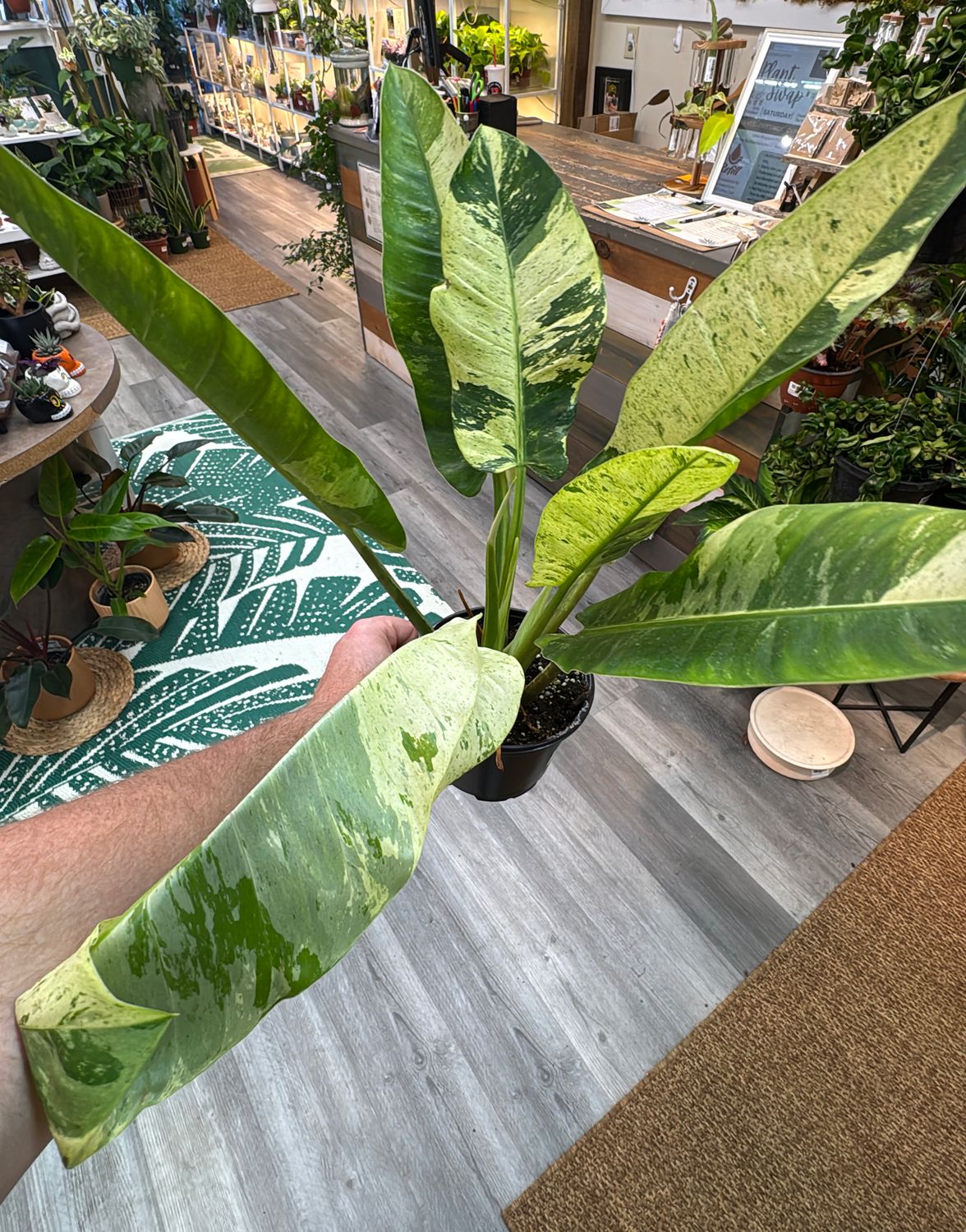
6" Philodendron Orlando
$250.00
Buy and save
Buy and earn $12.50 Loyalty for your next purchase
Loyalty is a discount program that lets you buy products and earn points to redeem on your next purchase. Your Loyalty balance is updated when you pay online or in-store. The Loyalty amount shown on this page can be recalculated at the checkout.
In stock: 1 available
6" Philodendron Orlando
Product Details
Brand: Plant
Philodendron Orlando
Philodendron Orlando is an attractive collector Philodendron prized for its large, elongated green foliage and bold tropical appearance. Its leaves develop a substantial, structured shape as the plant matures, with prominent veining and a glossy to lightly textured surface. New growth may emerge in lighter green or bronze-toned shades before gradually deepening in color.
Commonly sold as Philodendron ‘Orlando’, this is a cultivated Philodendron rather than a naturally occurring species. Its exact parentage is not consistently documented in the houseplant trade, so it is best identified by its established cultivar name rather than assigning it to a specific species or hybrid combination without confirmed provenance.
Care
Philodendron Orlando does best in bright, indirect light. Good filtered light encourages larger leaves, stronger growth, and a more compact appearance. Avoid prolonged harsh direct sunlight, which can scorch the foliage.
Water when the top inch or two of soil feels dry, then water thoroughly and allow excess water to drain. Keep the plant relatively evenly hydrated during active growth without allowing the potting mix to remain constantly wet or soggy.
Use a chunky, airy, and well-draining aroid mix in a container with drainage. A mixture containing quality houseplant soil or coco coir with orchid bark, perlite, pumice, and other coarse amendments works well. The mix should retain some moisture while still allowing plenty of airflow around the roots.
Philodendron Orlando prefers warm temperatures and moderate to high humidity. It can adapt to typical household conditions, although additional humidity can encourage larger and healthier foliage. Protect it from cold drafts and sudden temperature changes.
As the plant matures, give it adequate room for its increasingly substantial foliage. Providing sturdy support can be beneficial if the plant begins developing a more climbing growth habit. Older or damaged leaves can be removed as needed, and rotating the container periodically can help maintain balanced growth.
Pet Safety
Philodendron Orlando is toxic to cats and dogs if ingested. Like other Philodendrons, it contains insoluble calcium oxalate crystals that can cause irritation and burning of the mouth, tongue, and lips, along with drooling, vomiting, and difficulty swallowing. Keep it out of reach of pets and small children.
Powered by Lightspeed
Display prices in:USD